



What's Happening?
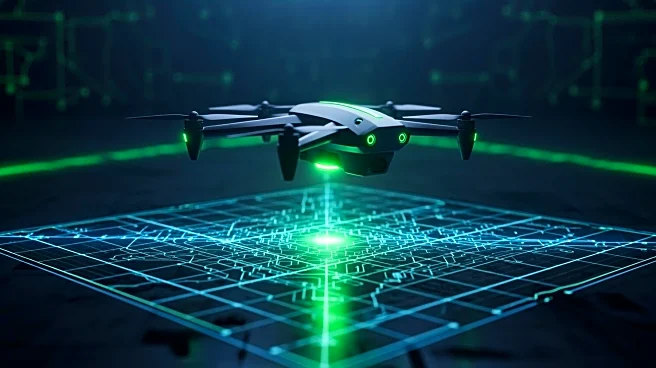
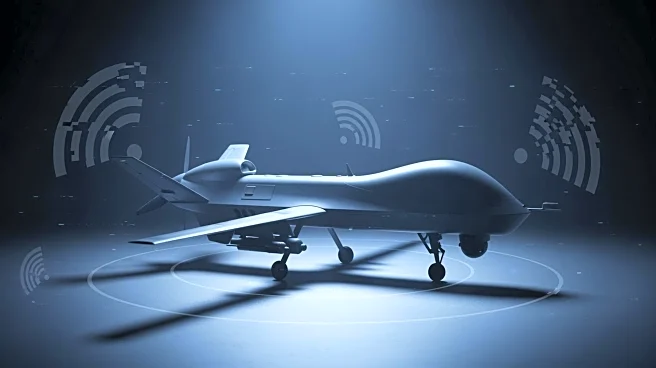
SpaceX, led by Elon Musk, and its subsidiary xAI are participating in a Pentagon contest to develop voice-controlled, autonomous drone swarming technology. This competition, which began in January, offers a $100 million prize and aims to create advanced technology capable of translating voice commands into digital instructions to operate multiple drones. The initiative is part of a broader strategy outlined by U.S. Defense Secretary Pete Hegseth to accelerate drone development and deployment by reducing bureaucratic hurdles and enhancing domestic drone manufacturing. The U.S. is also focused on finding safe and cost-effective methods to neutralize drones, especially around sensitive areas like airports and large events. This effort is increasingly
urgent with upcoming events such as the FIFA World Cup and America250 anniversary celebrations.
Why It's Important?
The development of autonomous drone swarming technology has significant implications for national security and defense strategies. By advancing these capabilities, the U.S. aims to maintain a technological edge in military operations, potentially transforming how conflicts are managed. The involvement of major tech companies like SpaceX and xAI highlights the intersection of defense and cutting-edge technology, emphasizing the role of private sector innovation in national defense. The focus on neutralizing drones also addresses growing concerns about drone threats in civilian areas, underscoring the need for effective countermeasures. This initiative could lead to advancements in AI and robotics, influencing both military and civilian applications.
What's Next?
As the competition progresses, participating companies will work to develop and demonstrate their drone swarming technologies. The outcome of this contest could influence future defense contracts and set new standards for autonomous military technology. The Pentagon's focus on reducing bureaucracy and boosting domestic manufacturing may lead to policy changes that facilitate faster development and deployment of new technologies. Additionally, the results of this competition could impact international defense collaborations and strategies, as other nations may seek to adopt similar technologies or countermeasures.