







What's Happening?
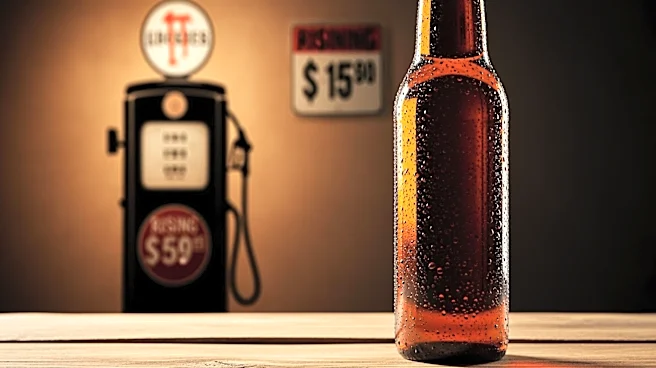
Gas prices in the U.S. have surged to nearly $4.50 per gallon, creating significant challenges for convenience stores as they enter the summer driving season. This increase, while still below the historic highs of 2022, is reshaping consumer behavior
and affecting store profitability. Convenience stores, which rely heavily on in-store sales rather than fuel sales for profitability, are seeing a decline in discretionary purchases as consumers become more cautious with their spending. To counteract this trend, many retailers are implementing loyalty programs and fuel discounts tied to app usage or in-store purchases. These strategies aim to lower the perceived cost of fuel and encourage in-store engagement, thereby protecting profit margins.
Why It's Important?
The rise in gas prices poses a significant threat to the convenience store industry, which depends on in-store sales for profitability. As fuel prices increase, consumers are less likely to make additional purchases beyond fuel, impacting the overall revenue of these stores. The implementation of loyalty programs and targeted incentives is crucial for maintaining customer engagement and driving sales in high-margin categories like food service. This situation highlights the need for retailers to adapt to changing consumer behaviors and leverage loyalty programs as a strategic tool to stabilize their business during periods of economic volatility.
What's Next?
Retailers are expected to continue refining their loyalty programs and exploring new ways to incentivize in-store purchases. As gas prices remain volatile, convenience stores will need to focus on creating value for customers through personalized offers and experiences. This approach will help them maintain customer loyalty and drive sales in non-fuel categories. Additionally, retailers may need to invest in marketing and communication strategies to effectively convey the benefits of their loyalty programs and encourage customer participation.