







What's Happening?
Nestlé is advancing its plans to divest its Waters division, a move that aligns with its strategic focus on the Four Pillars: Food & Snacks, Coffee, Nutrition, and Petcare. The decision comes after a series of scandals and increased regulatory scrutiny,
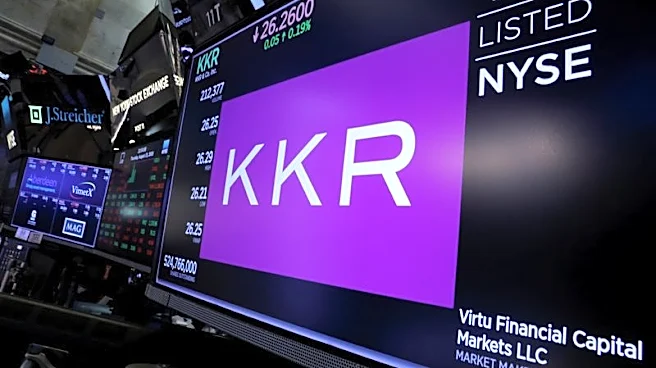
which have impacted the company's reputation. The Waters division, which includes brands like Perrier and Vittel, has faced criticism for its processing methods and contamination issues. Nestlé's CEO, Philipp Navratil, has indicated that the company is making progress on this divestment, with interest from private equity firms such as Blackstone and KKR. The divestment strategy reflects a broader trend in the food industry, where companies are streamlining operations to focus on core growth areas.
Why It's Important?
The potential sale of Nestlé's Waters division is significant for the food and beverage industry, as it highlights the growing importance of reputational risk and regulatory compliance. Companies are increasingly pressured to address environmental and consumer concerns, which can have substantial financial implications. Nestlé's decision to divest from its Waters division could set a precedent for other large-scale food businesses, indicating a shift away from traditional growth strategies based on scale. This move may influence investor expectations and competitive strategies within the industry, as companies reassess their portfolios to focus on areas that drive growth and align with consumer values.
What's Next?
As Nestlé progresses with its divestment plans, the industry will closely monitor the outcome, which could involve a full or partial sale of the Waters division. The decision will likely impact Nestlé's market position and could lead to further restructuring within the company. Additionally, the interest from private equity firms suggests potential changes in ownership and management of the Waters brands. The broader industry may also see similar divestment strategies from other companies, as they navigate the challenges of regulatory scrutiny and consumer trust.