







What's Happening?
Carbon Direct and Arca have announced a collaboration to introduce Arca's Industrial Mineralisation (IMin) technology to the market. This technology is designed to accelerate carbon mineralisation in mine waste, offering a scalable solution for carbon dioxide
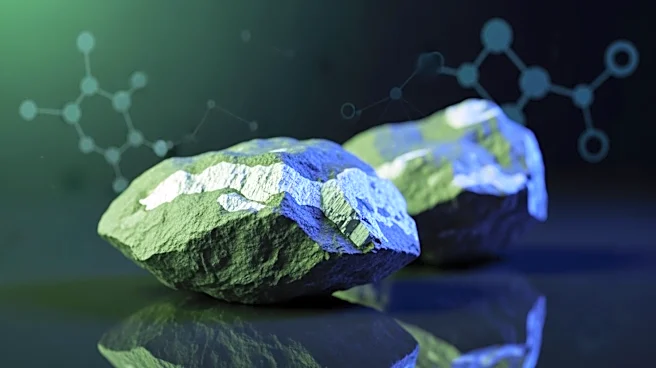
removal (CDR). Arca has successfully validated this technology under real-world conditions, demonstrating its potential to remove millions of tonnes of CO2 over the next decade. Following an 18-month pilot with mining giant BHP, Arca is preparing to deploy the technology at additional sites. The process involves accelerating the natural reaction of alkaline rocks with CO2, turning mining waste into a stable mineral form that can store carbon for over 10,000 years. Carbon Direct will co-develop future projects, providing scientific expertise and carbon market knowledge.
Why It's Important?
This collaboration represents a significant advancement in addressing one of the mining industry's major environmental challenges: the management of alkaline rock waste. By transforming this waste into a climate asset, the technology not only offers a solution for CO2 removal but also presents economic and environmental benefits. The ability to store carbon durably and at scale could play a crucial role in global efforts to mitigate climate change. The involvement of major buyers like Microsoft, which has entered a 10-year agreement with Arca, underscores the market's demand for effective carbon removal solutions. This partnership could set a precedent for other industries to adopt similar technologies, potentially leading to widespread environmental and economic impacts.
What's Next?
Arca and Carbon Direct plan to expand the deployment of the Industrial Mineralisation technology to more locations, leveraging existing mining infrastructure. The collaboration aims to scale the technology quickly, with Arca's stakeholders and industrial partners benefiting from Carbon Direct's expertise. As the technology gains traction, it could lead to increased adoption across the mining sector and beyond. The success of this initiative may encourage further investment in carbon removal technologies, driving innovation and development in the field. Additionally, the partnership with the Tjiwarl Aboriginal Corporation in Australia highlights the potential for community involvement in sustainable projects.
Beyond the Headlines
The development of Industrial Mineralisation technology could have far-reaching implications beyond immediate environmental benefits. It may influence regulatory policies related to mining and carbon emissions, encouraging more stringent environmental standards. The technology also presents an opportunity for the mining industry to improve its public image by demonstrating a commitment to sustainability. Furthermore, the collaboration could inspire similar partnerships across different sectors, fostering a culture of innovation and collaboration in tackling climate change. As the technology matures, it may also lead to new business models centered around carbon credits and sustainable practices.