

What's Happening?
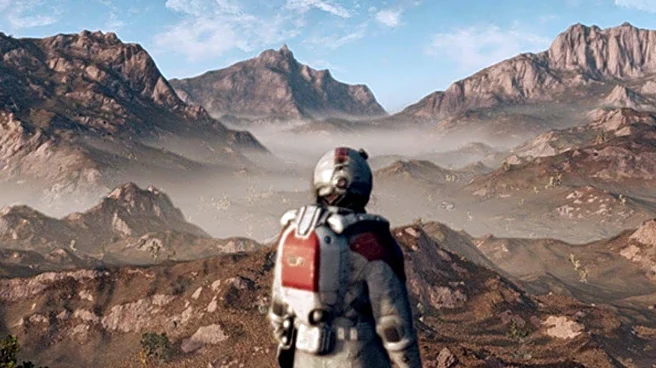
The article explores the role of physics in video games, highlighting how games like Kerbal Space Program and Goat Simulator use physics engines to enhance gameplay. While some games aim for realistic simulations, others prioritize fun and storytelling,
often bending the laws of physics for entertainment. The balance between realism and playability is crucial, as too much realism can strain computing resources, while too little can break immersion. The article also discusses how games can inspire real-world interest in fields like aerospace.
Why It's Important?
The integration of physics in video games reflects broader trends in technology and entertainment, where realism and user experience are carefully balanced. This has implications for game design, software development, and educational tools, as games increasingly serve as platforms for learning and inspiration. The discussion also touches on the cultural impact of games, as they shape perceptions of science and technology among players.
Beyond the Headlines
The use of physics in games raises questions about the educational potential of gaming and its role in promoting STEM fields. As games become more sophisticated, they offer opportunities for experiential learning and engagement with complex scientific concepts. This trend could influence educational strategies and the development of new learning technologies.