


What's Happening?
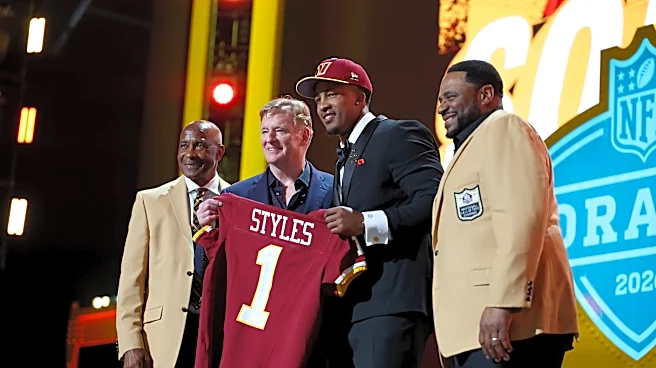
Eli Manning recently disclosed details about his decision to refuse playing for the San Diego Chargers after being drafted first overall in 2004. During a podcast interview on 'Bussin with the Boys,' Manning recounted a pre-draft dinner with the Chargers'
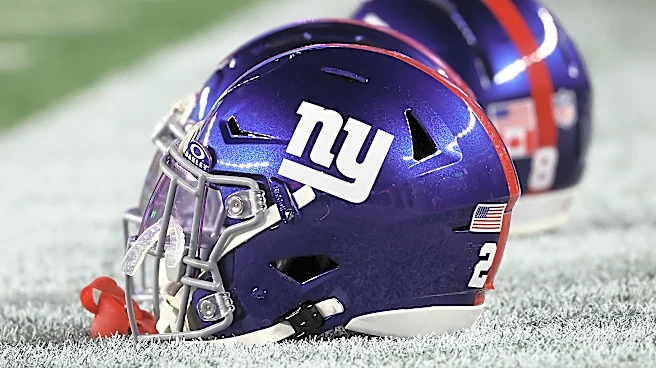
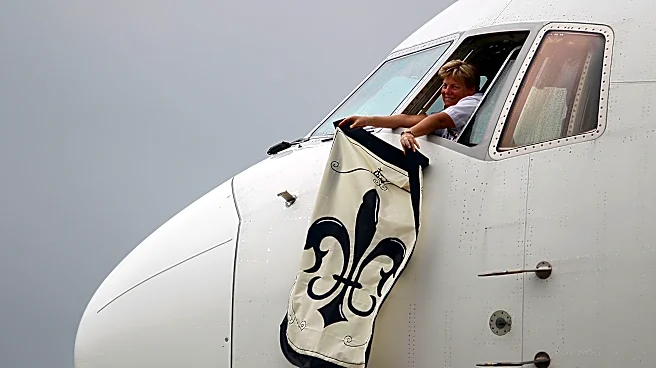
management that left him with doubts about the team's commitment to winning. He described a scene of discord among the head coach Marty Schottenheimer, general manager A.J. Smith, and the Spanos family, the team's owners. The dinner, held at a Marriott restaurant in New Orleans, was marked by bickering and a lack of unity, which contributed to Manning's decision to orchestrate a trade to the New York Giants. This revelation sheds light on a pivotal moment in Manning's career, which saw him eventually traded for Philip Rivers, who was selected fourth overall by the Giants.
Why It's Important?
Manning's decision to avoid playing for the Chargers had significant implications for both his career and the NFL. By forcing a trade to the Giants, Manning went on to win two Super Bowl titles, solidifying his legacy as one of the league's top quarterbacks. The Chargers, on the other hand, missed out on a potential franchise quarterback, which could have altered their trajectory. This incident also highlights the importance of organizational cohesion and the impact it can have on attracting and retaining top talent. Manning's story serves as a cautionary tale for NFL teams, emphasizing the need for alignment and clear communication among team leadership, especially when dealing with high-stakes decisions like draft picks.
What's Next?
Looking ahead, the story of Eli Manning's draft experience may serve as a lesson for teams in the upcoming 2027 NFL Draft, particularly those eyeing top prospects like Arch Manning, Eli's nephew. Teams will likely be more cautious in their pre-draft interactions, ensuring that their management teams present a united front to potential draftees. This could lead to changes in how teams conduct pre-draft evaluations and negotiations, potentially influencing the strategies of teams with high draft picks. The Manning family's influence in the NFL continues, and their experiences may shape the decisions of future generations of players and teams.