


What's Happening?
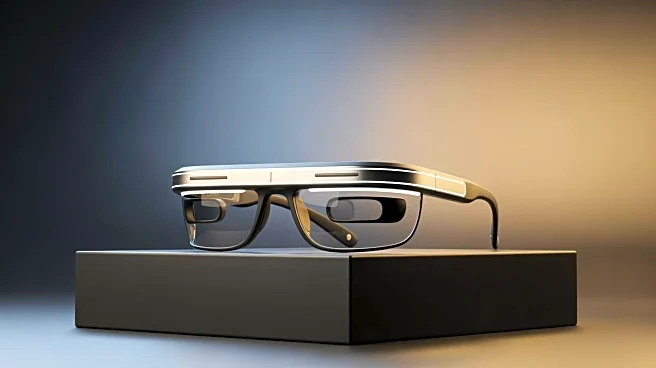
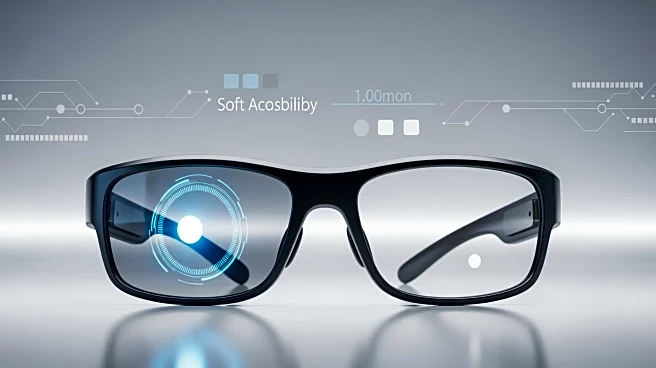
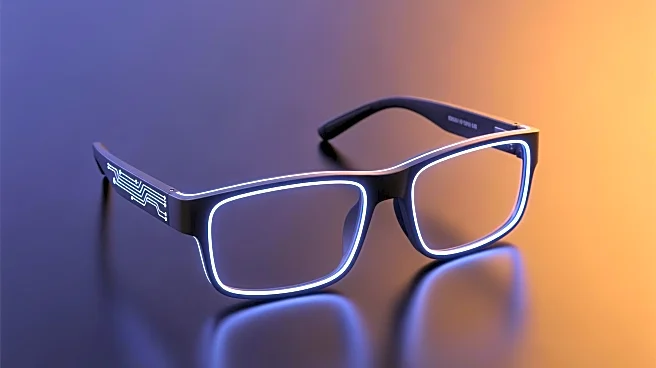
In 2025, the sale of AI glasses by EssilorLuxottica, a major eyewear manufacturer, reached 7 million units, marking a significant increase from the previous year. This surge has sparked rumors of a collaboration between Meta and luxury fashion brand Prada,
especially after sightings of Mark Zuckerberg with Prada executives in Milan. The rapid adoption of these AI glasses, which saw sales triple year-over-year, has brought attention to the intersection of luxury branding and wearable technology. The collaboration is seen as a move to legitimize wearables among older, high-spending consumers, although it also raises concerns about privacy and surveillance due to the glasses' capabilities.
Why It's Important?
The significant increase in AI glasses sales indicates a shift from niche technology to mainstream fashion accessory, potentially altering consumer behavior and market dynamics. Luxury brands like Prada entering the tech space could redefine the appeal and acceptance of augmented reality (AR) devices, making them more desirable as fashion statements. However, this trend also raises privacy concerns, as the integration of advanced technology in everyday items could lead to increased surveillance and data collection. Regulators and privacy advocates may need to address these issues as the technology becomes more widespread, balancing innovation with consumer protection.
What's Next?
As AI glasses become more prevalent, luxury brands and tech companies will likely face increased scrutiny from regulators and privacy advocates. The collaboration between Meta and Prada could set a precedent for future partnerships between tech and fashion industries, influencing how AR devices are marketed and perceived. Consumers can expect to see these glasses in more retail outlets, potentially leading to price reductions and broader accessibility. Meanwhile, discussions around privacy regulations and the ethical use of technology in public spaces are expected to intensify, as stakeholders seek to address the implications of widespread AR adoption.
Beyond the Headlines
The collaboration between Meta and Prada highlights a broader trend of luxury brands embracing technology to stay relevant in a rapidly changing market. This move could lead to a cultural shift where technology is not only functional but also a status symbol. The blending of fashion and technology may also influence design trends, encouraging other luxury brands to explore similar partnerships. However, the potential for increased surveillance and data collection poses ethical challenges that need to be addressed to ensure consumer trust and privacy are maintained.