



What's Happening?
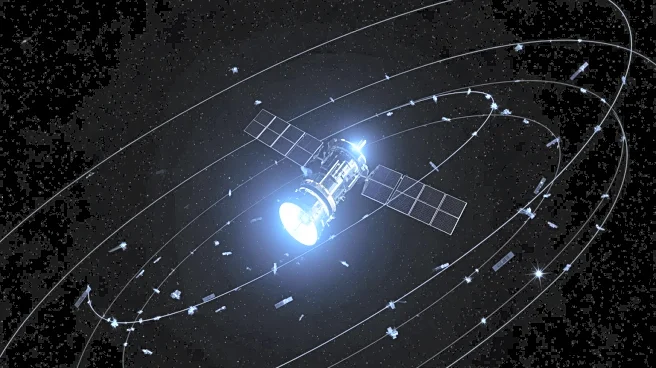
SpaceX has announced the loss of contact with one of its Starlink satellites, designated as 34343, following an unspecified anomaly on March 29, 2026. The satellite was orbiting approximately 348 miles above Earth when the incident occurred. Space-tracking
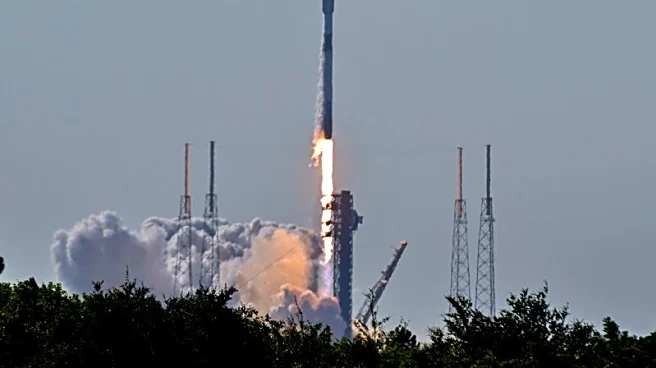
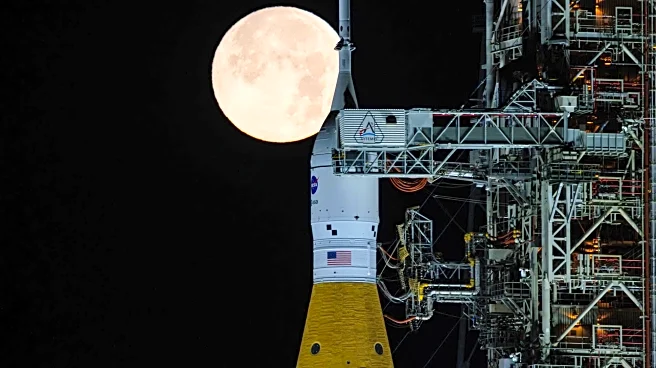
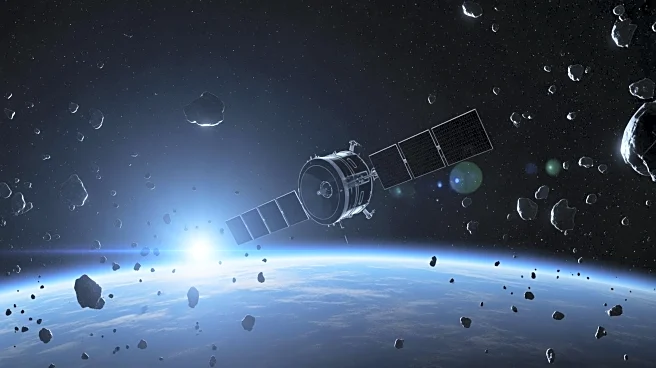
company LeoLabs detected multiple fragments in the vicinity, indicating that the satellite may have broken apart. SpaceX has stated that the debris poses no risk to the International Space Station or upcoming missions such as Artemis II and Transporter-16. The company is currently investigating the root cause of the anomaly, which is believed to be due to an internal energetic source rather than a collision with space debris.
Why It's Important?
The incident highlights the challenges and risks associated with maintaining a large constellation of satellites in low Earth orbit. Starlink, SpaceX's satellite internet project, relies on a network of satellites to provide global internet coverage. The loss of a satellite and the creation of debris could have implications for the safety and sustainability of space operations. Additionally, understanding the cause of such anomalies is crucial for preventing future incidents and ensuring the reliability of satellite services. The event also underscores the importance of space debris monitoring and management as the number of satellites in orbit continues to grow.
What's Next?
SpaceX is actively working to determine the cause of the anomaly and plans to implement corrective actions once the investigation is complete. The company will continue to monitor the debris from the incident to ensure it does not pose a threat to other space operations. As SpaceX expands its Starlink constellation, addressing these technical challenges will be critical to maintaining service reliability and safety. The findings from this investigation may lead to design or operational changes to prevent similar incidents in the future.