



What's Happening?
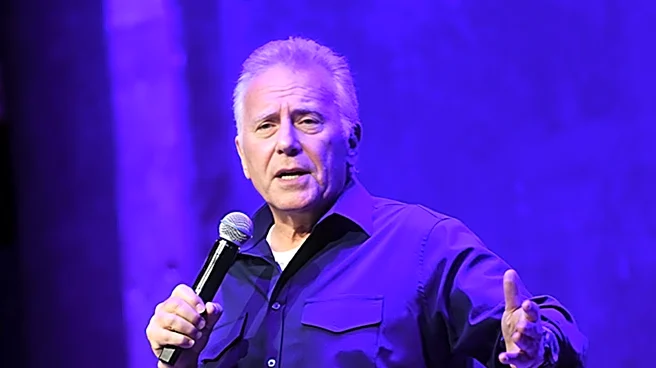
Michael Mancusi, a comedian from New York, has shared advice on overcoming the millennial midlife crisis, which has resonated widely on social media. Mancusi, who works in tech sales, emphasizes finding fulfillment outside of work through hobbies or passion projects. His advice comes amid growing concerns among millennials about job security, financial stability, and finding purpose in life. According to a study by the American Psychological Association, job insecurity affects stress levels for 54% of U.S. workers, with many struggling to sleep and maintain relationships. Mancusi suggests that millennials need to reinvent themselves without relying on material items, as older generations did. His viral video has garnered significant attention,
with over 155,100 views on TikTok and 229,000 views on Instagram.
Why It's Important?
Mancusi's advice highlights a significant cultural shift among millennials, who are facing unique challenges compared to previous generations. The millennial midlife crisis is characterized by a realization that traditional paths to success, such as obtaining a degree and a stable job, may not lead to fulfillment. This has broader implications for U.S. society, as millennials seek new ways to find meaning and satisfaction in their lives. The emphasis on non-material fulfillment could lead to changes in consumer behavior and societal values, as millennials prioritize experiences and personal growth over material possessions. Mancusi's viral message underscores the need for creative outlets and personal enrichment, which could influence workplace dynamics and mental health approaches.
What's Next?
As Mancusi's advice continues to gain traction, it may inspire more millennials to explore hobbies and activities that provide personal fulfillment. This could lead to increased interest in creative industries, community engagement, and wellness initiatives. Employers might also need to adapt by offering more flexible work environments and opportunities for personal development. The conversation around millennial midlife crises could prompt further research into the psychological and social factors affecting this generation, potentially influencing public policy and mental health support systems.
Beyond the Headlines
Mancusi's viral advice touches on deeper societal issues, such as the evolving definition of success and the impact of economic pressures on mental health. The millennial generation's struggle with job insecurity and financial instability reflects broader economic trends, including wage stagnation and rising living costs. This situation may prompt discussions about economic reform and the need for policies that support financial security and mental well-being. Additionally, the focus on non-material fulfillment could lead to a cultural shift towards valuing creativity and personal growth, influencing future generations' attitudes towards work and life balance.