





What's Happening?
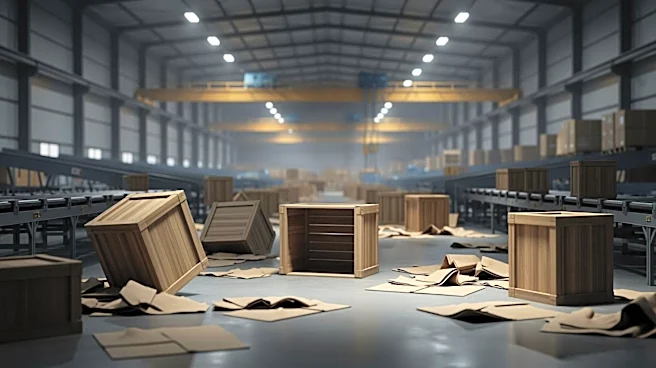
A severe fuel crisis, exacerbated by ongoing conflict in the Middle East, is causing significant disruptions in business logistics and production. The crisis has led to a substantial portion of trucks being idle, affecting supply chains across various
sectors. Companies like Pran-RFL Group, which operates a large fleet of trucks, are facing severe constraints due to fuel shortages. The crisis has resulted in increased freight costs, delayed deliveries, and rising production expenses. Businesses are struggling to maintain operations as the cost of raw materials and transportation surges, while demand weakens. The government has raised fuel prices in response to the crisis, further impacting inflation and living costs.
Why It's Important?
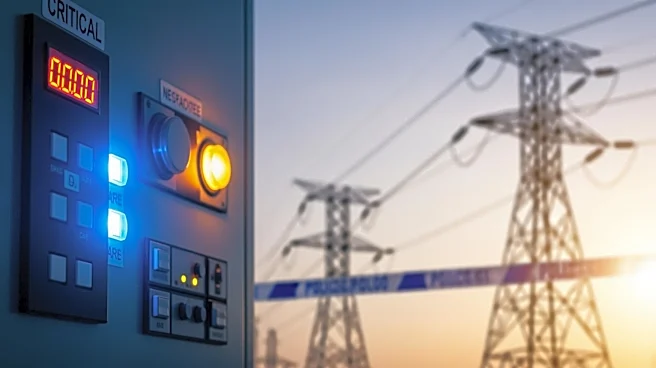
The fuel crisis has broad implications for the economy, affecting both large conglomerates and small enterprises. The increased cost of transportation and production is likely to lead to higher prices for consumers, contributing to inflation. Businesses are facing shrinking profit margins as they are unable to pass on the increased costs to consumers. The crisis threatens the survival of many companies, particularly those reliant on imported raw materials and fuel-powered machinery. The situation highlights the vulnerability of global supply chains to geopolitical conflicts and the need for diversified energy sources.
What's Next?
If the fuel supply does not stabilize soon, the crisis could deepen, posing a threat to the profitability and operational viability of many firms. Industry insiders warn that continued disruptions could lead to business closures and an inability to repay bank loans. The Bangladesh Garment Manufacturers and Exporters Association is considering introducing a fuel pass system to alleviate the crisis. The government may need to explore alternative energy sources and strategies to mitigate the impact of such crises in the future.
Beyond the Headlines
The crisis underscores the interconnectedness of global markets and the impact of geopolitical events on local economies. It raises questions about energy security and the need for sustainable and resilient supply chains. The situation also highlights the importance of strategic reserves and diversified energy sources to buffer against such shocks. Long-term solutions may involve investments in renewable energy and infrastructure improvements to reduce dependency on volatile regions.