


What's Happening?
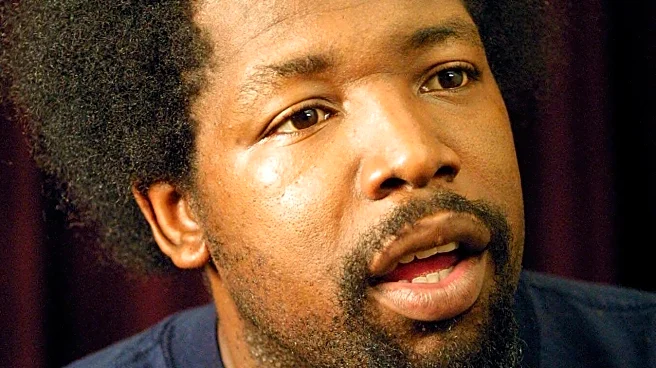
Afroman, the rapper known for his hit 'Because I Got High,' recently went viral for his testimony in an Ohio defamation trial. The trial involved a lawsuit filed by seven police officers against Afroman, whose real name is Joseph Foreman, over a satirical
music video titled 'Lemon Pound Cake.' The video mocked the officers who had raided his home in 2022. During the trial, Afroman defended his actions by citing his right to free speech, arguing that he was entitled to express his experiences humorously after the officers' unsuccessful raid. His testimony, delivered while wearing an American flag suit and sunglasses, was characterized by a defiant tone against the officers. Ultimately, Afroman was found not liable in the case, and his testimony was widely praised on social media, with many users calling him a 'hilarious American hero.'
Why It's Important?
The outcome of this trial highlights the ongoing debate over freedom of speech and its limits, especially in cases involving public figures and law enforcement. Afroman's case underscores the tension between individuals' rights to express themselves and the potential for such expressions to be perceived as defamatory. The viral nature of his testimony also reflects the power of social media in shaping public opinion and influencing perceptions of legal proceedings. For law enforcement, the case may prompt discussions about the impact of public scrutiny and the challenges of maintaining a positive image in the digital age. For artists and public figures, it reinforces the importance of understanding the legal boundaries of satire and commentary.
What's Next?
Following the trial, it is likely that both law enforcement agencies and public figures will continue to navigate the complexities of defamation and free speech in the digital era. The case may lead to further legal discussions or potential appeals, as the officers involved may seek other avenues to address their grievances. Additionally, the public's reaction to Afroman's testimony could inspire other artists to explore similar themes in their work, potentially leading to more legal challenges. The broader implications for free speech and artistic expression will likely remain a topic of interest in legal and cultural discussions.