
What's Happening?
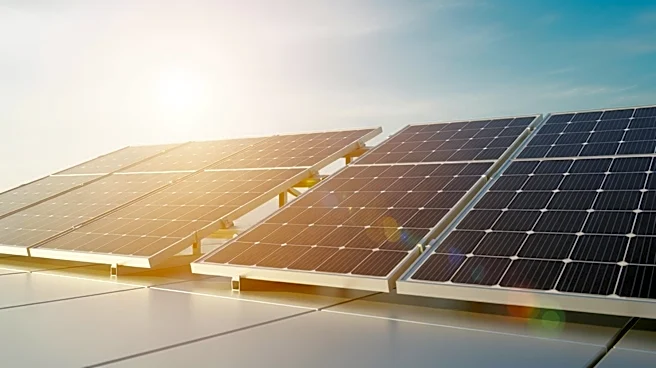
FH Capital has entered into a definitive agreement to acquire a majority interest in Jinko Solar (U.S.) Industries Inc., with JinkoSolar retaining a 24.9% minority stake. This acquisition includes a 2 GW
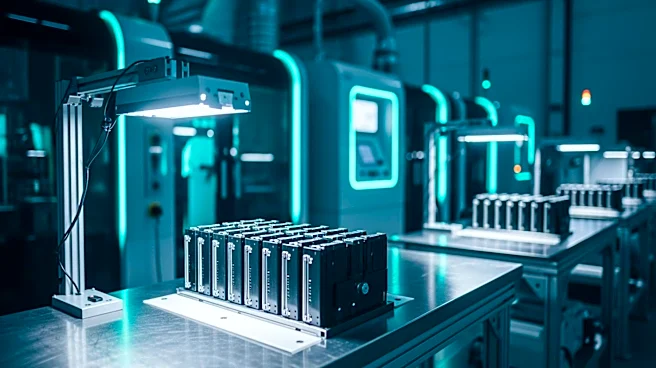
solar module manufacturing facility and a burgeoning battery energy storage system (BESS) business. The move to a majority-U.S. ownership structure is a strategic response to increasing regulatory pressures on foreign-linked entities. Under the Foreign Entity of Concern (FEOC) rules, manufacturers must reduce reliance on certain international technology and ownership to qualify for the full 45X manufacturing tax credits. This transaction is expected to help the facility meet these requirements and position the brand to capture the domestic content bonus, which mandates a rising percentage of U.S.-sourced components through 2027. Post-acquisition, FH Capital plans to expand solar module capacity to at least 4 GW and initiate domestic BESS manufacturing.
Why It's Important?
This acquisition is significant as it aligns with broader market trends towards vertical integration in the solar industry, particularly in the U.S. The shift towards battery energy storage system manufacturing is crucial as developers seek integrated solar-plus-storage solutions to address grid interconnection delays and meet clean energy mandates. The transaction leverages JinkoSolar's seven-year U.S. manufacturing presence to meet the rising demand for domestic clean energy solutions. This move is also indicative of the growing importance of U.S.-sourced products in the renewable energy sector, driven by regulatory incentives and the need for energy independence. The expansion into BESS manufacturing is particularly timely as the U.S. 'Solar Belt' in the Southeast and Midwest continues to attract investment for advanced manufacturing hubs.
What's Next?
The transaction is subject to customary closing conditions and regulatory approvals. Once completed, FH Capital's expansion plans are expected to significantly increase the production capacity of solar modules and launch domestic BESS manufacturing. This could potentially lead to more job creation and economic growth in the regions where these facilities are located. Additionally, the increased focus on U.S.-sourced components may encourage other companies in the renewable energy sector to follow suit, further boosting the domestic clean energy industry.