





What's Happening?
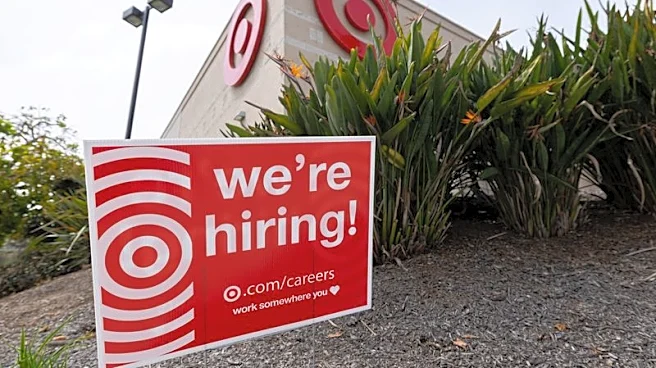
The U.S. job market experienced a rebound in March with an increase of 178,000 jobs, bringing the unemployment rate down slightly to 4.3%. This growth exceeded expectations, especially following a job loss in February. The Bureau of Labor Statistics revised
previous data, adding 34,000 jobs to January's figures, resulting in a total growth of 160,000 jobs, while February's figures were adjusted to show a loss of 133,000 jobs. Significant job gains were observed in sectors such as health care, construction, and transportation and warehousing. However, the movie and music industries saw a decline, losing 1,100 jobs, with employment numbers at 337,400. Broadcasting and content providers saw minimal change, adding about 100 jobs to reach 334,200. Average hourly earnings increased by 9 cents to $37.38, marking a 3.5% increase over the year, outpacing inflation.
Why It's Important?
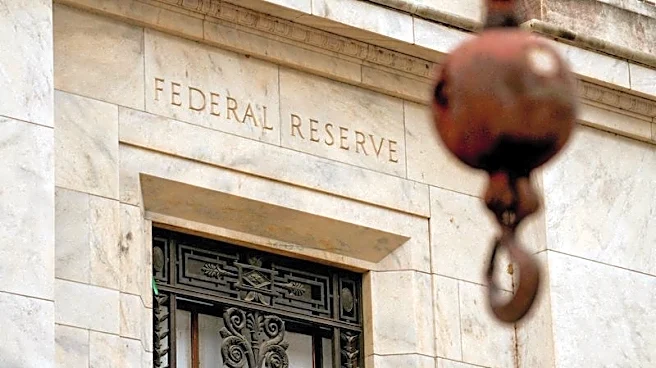
The job market's recovery in March is a positive indicator for the U.S. economy, suggesting resilience and potential stability in employment levels. The increase in jobs across various sectors, particularly in health care and construction, highlights areas of economic growth and demand. However, the decline in the movie and music industries points to ongoing challenges within these sectors, possibly due to shifts in consumer behavior or technological changes. The rise in average hourly earnings is significant as it suggests that wage growth is keeping pace with or exceeding inflation, which could enhance consumer purchasing power and stimulate economic activity. The overall employment landscape suggests that the Federal Reserve's maximum employment mandate is being met, as noted by Jason Furman, a Harvard professor and former chairman of the Council of Economic Advisers.
What's Next?
Looking ahead, the job market's trajectory will depend on various factors, including economic policies, consumer demand, and potential shifts in industry dynamics. The Federal Reserve may continue to monitor employment data closely to determine any necessary adjustments to interest rates. The decline in the movie and music industries may prompt stakeholders to explore new strategies or innovations to revitalize these sectors. Additionally, continued wage growth could influence consumer spending patterns, potentially impacting broader economic trends. Policymakers and industry leaders will likely keep a close watch on these developments to ensure sustained economic growth and stability.