
What's Happening?
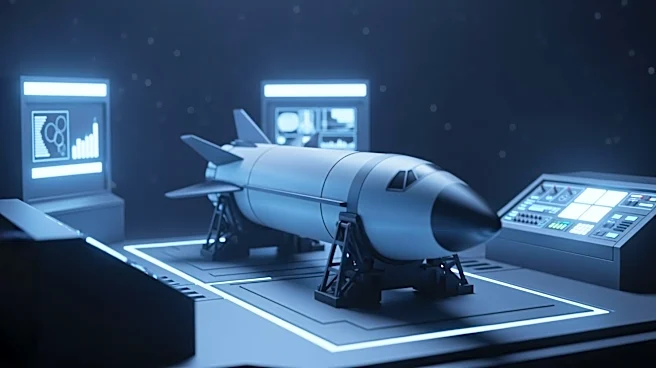
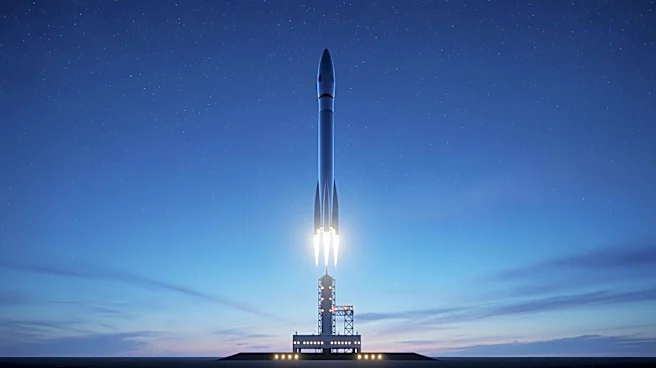
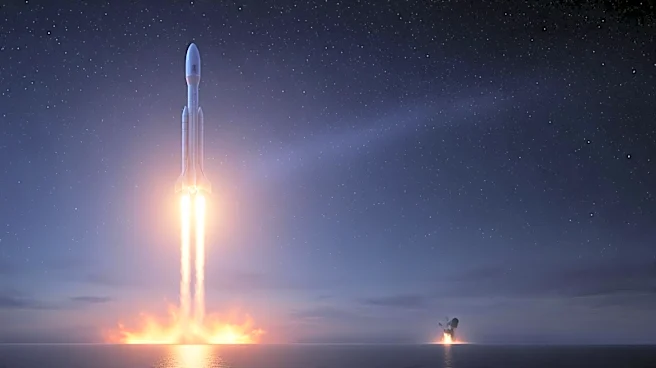
NASA has partnered with Rocket Lab and Eta Space to advance in-space refueling technology, a critical component for future space exploration missions. Rocket Lab is set to launch the Eta Space-built LOXSAT
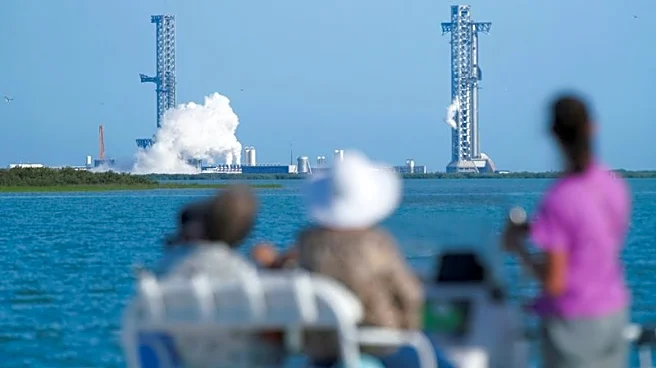
spacecraft on a nine-month mission to demonstrate 11 cryogenic fluid management technologies in orbit. These technologies include reducing boiloff, transferring propellant, maintaining tank pressure, and gauging propellant levels. The demonstration aims to establish in-space propellant depots, which are essential for long-term space exploration. The launch is tentatively scheduled for July 17. Meanwhile, SpaceX plans to conduct its own in-orbit refueling demonstration between Starships in June. This development marks a competitive race between Rocket Lab and SpaceX to pioneer this technology, which is vital for SpaceX's future missions, including NASA's Project Artemis.
Why It's Important?
The ability to refuel spacecraft in orbit is crucial for extending the range and duration of space missions, particularly those involving human exploration beyond Earth's orbit. This technology is essential for NASA's Project Artemis, which aims to return humans to the moon and eventually send astronauts to Mars. Successfully demonstrating in-space refueling could significantly enhance the capabilities of spacecraft, allowing them to travel further and carry out more complex missions. For SpaceX, mastering this technology is vital for its Starship missions, which require multiple refuelings in orbit to reach the moon and return. The competition between Rocket Lab and SpaceX highlights the growing importance of private companies in advancing space technology and supporting governmental space exploration goals.
What's Next?
Rocket Lab's demonstration is scheduled for July, while SpaceX plans its demonstration in June. The outcomes of these tests will determine the feasibility and reliability of in-space refueling technology. Success in these demonstrations could lead to the establishment of in-space propellant depots, which would act as 'gas stations' for spacecraft, enabling longer and more ambitious missions. The results will also influence future collaborations and contracts with NASA and other space agencies. As both companies strive to achieve this technological milestone, the space industry could see increased investment and innovation in related technologies, further accelerating the pace of space exploration.