





What's Happening?
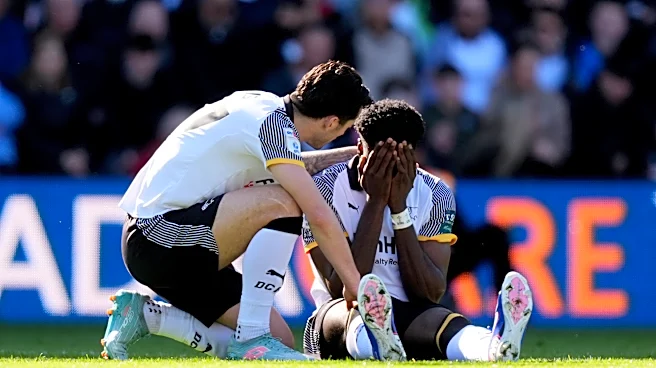
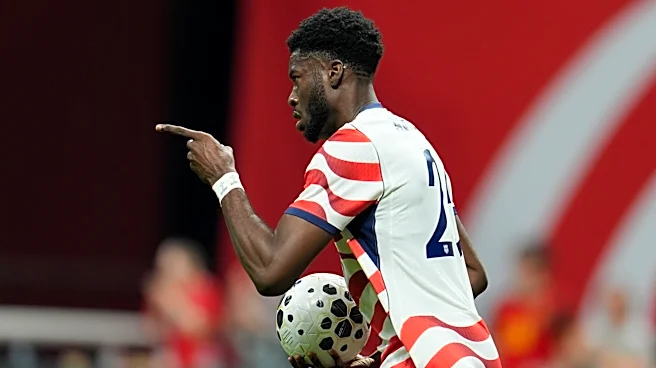
Patrick Agyemang, a promising striker for the U.S. men's national soccer team, has suffered a ruptured Achilles tendon, ruling him out of the upcoming 2026 World Cup. Agyemang, who was expected to be a key player for the team, sustained the injury while
playing for Derby County, an English second-tier club. His absence opens up a roster spot, potentially benefiting other strikers like Ricardo Pepi and Haji Wright, who are now more likely to be included in the World Cup squad. The injury is a significant setback for both Agyemang and the U.S. team, as he was considered a strong candidate to contribute either as a starter or off the bench.
Why It's Important?
Agyemang's injury is a major blow to the U.S. national team, which is preparing to host the largest World Cup in history. His absence could impact the team's performance, as he was seen as a versatile player capable of making a significant impact. The injury also highlights the precarious nature of sports careers, where a single injury can derail a player's dreams of participating in a once-in-a-lifetime event. For the team, it means re-evaluating their roster strategy and potentially bringing in players who were previously on the fringe, altering the dynamics and chemistry of the squad.
What's Next?
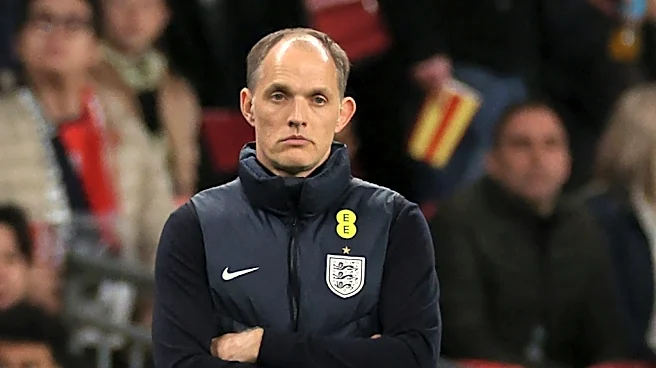
With Agyemang out, U.S. coach Mauricio Pochettino will need to finalize his roster selections by May 26. This opens opportunities for other players to step up and fill the void left by Agyemang. The team will need to adjust their strategies and formations to compensate for his absence, possibly bringing in additional defenders or midfielders to balance the squad. The decision will be crucial as the team aims to make a deep run in the tournament, leveraging home advantage and the support of local fans.
Beyond the Headlines
Agyemang's injury underscores the unpredictable nature of sports and the importance of depth in team rosters. It also raises questions about the physical demands placed on athletes and the need for effective injury prevention and management strategies. The situation could lead to discussions on how teams prepare for major tournaments, ensuring they have contingency plans for unexpected player losses. Additionally, it highlights the emotional and psychological impact on players who miss out on career-defining opportunities due to injuries.