



What's Happening?
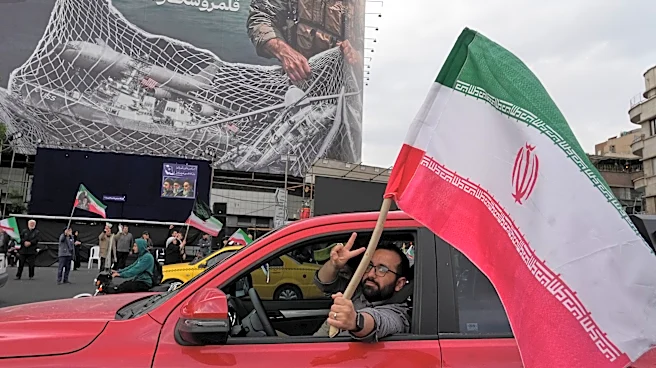
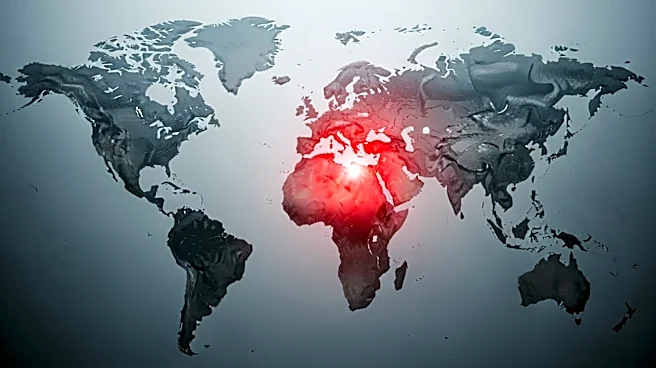
The International Monetary Fund (IMF) has revised its global growth forecast for 2026, reducing it from 3.3% to 3.1%, primarily due to the ongoing conflict involving Iran. This conflict has led to significant disruptions in the global energy market, with
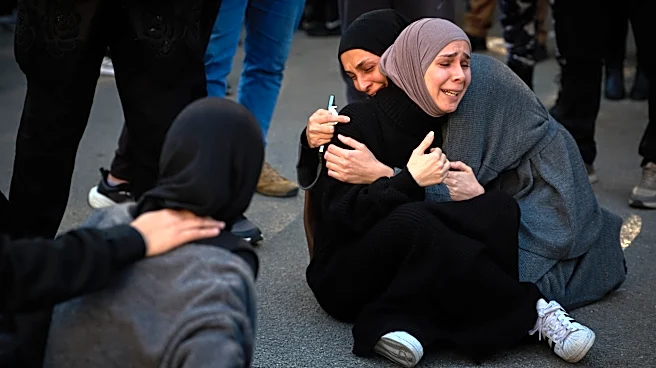
U.S. and Israeli strikes on Iran and subsequent retaliatory actions by Tehran, including the closure of the Strait of Hormuz. These events have caused a sharp increase in oil and gas prices worldwide. The IMF has also adjusted its global inflation expectations for the year to 4.4%, up from 4.1% in 2025. Despite previous resilience in the global economy, bolstered by technological investments and productivity gains, the Middle East conflict has halted this momentum. The IMF's chief economist, Pierre-Olivier Gourinchas, noted that while a temporary ceasefire has been announced, the risks remain high.
Why It's Important?
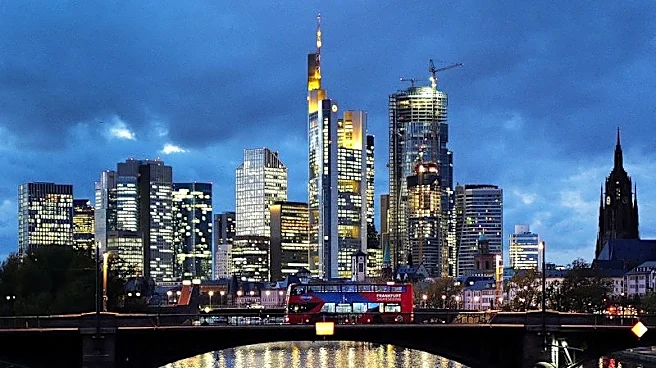
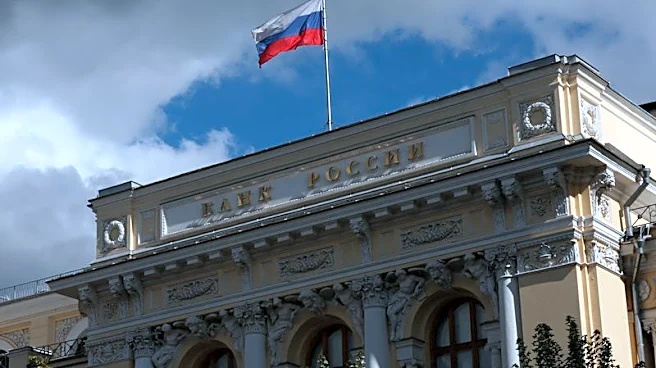
The revised growth forecast by the IMF highlights the significant impact of geopolitical tensions on the global economy, particularly affecting energy prices and inflation. For the U.S., the growth forecast has been slightly downgraded to 2.3% for the year. The conflict's repercussions are not limited to the U.S.; European countries using the euro are also expected to see reduced growth due to soaring natural gas prices. Poorer, energy-importing countries are likely to suffer the most, as they lack the financial means to mitigate the economic impact through government spending or tax relief. Conversely, Russia, as an energy exporter, may benefit from the higher prices, with its economic forecast slightly improved despite ongoing sanctions.
What's Next?
The IMF's forecast assumes that the conflict in the Persian Gulf will be short-lived, with energy prices rising moderately. However, if the situation worsens, leading to prolonged energy shocks, global growth could further decline to 2% in 2026 and 2027. Central banks may be compelled to raise interest rates to combat inflation, potentially exacerbating economic challenges. Stakeholders, including global economic leaders and central banks, will need to closely monitor the situation and prepare for possible interventions to stabilize markets and economies.