



What's Happening?
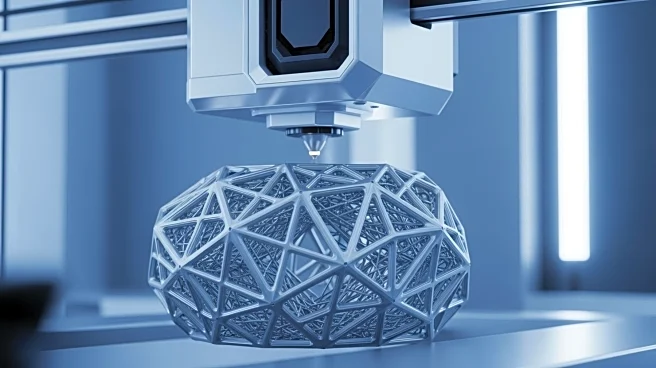
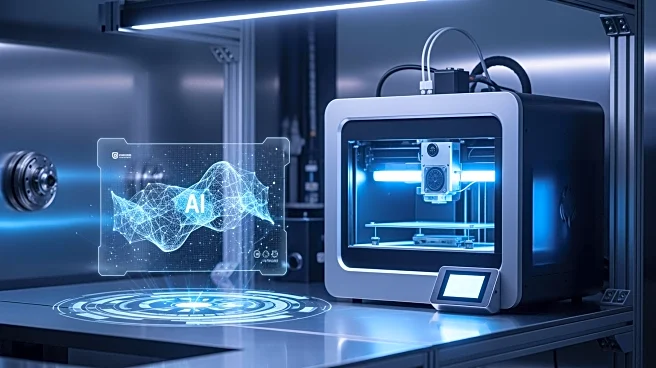
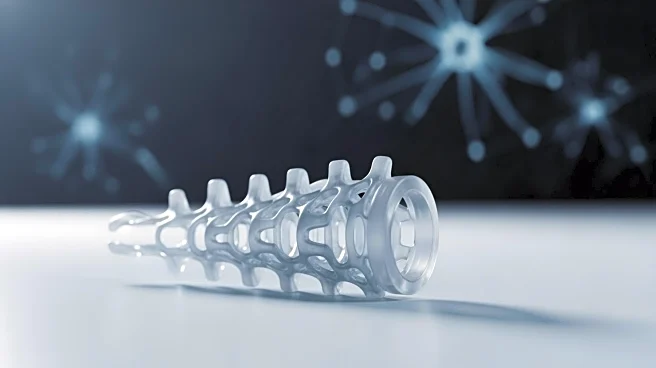
Nivalon Medical Technologies Inc., based in Youngstown, Ohio, has announced the creation of the world's first fully patient-specific, motion-preserving spinal implant that is entirely metal-free. This innovative device is designed using AI-driven technology and advanced ceramic 3D printing. The implant is constructed from zirconia-toughened alumina (ZTA) ceramic, which mimics the natural behavior of bone, and includes a flexible elastomeric core to replicate natural spinal motion. Unlike traditional metal implants, Nivalon's device is tailored to each patient's anatomy using their CT data, eliminating issues such as metal corrosion and imaging interference. The implant has undergone extensive pre-clinical validation, demonstrating its ability
to preserve natural spinal motion and improve structural performance. First-in-human procedures are planned for 2026, including one for Nivalon's Co-Founder and CEO, Todd Hodrinsky.
Why It's Important?
This development represents a significant advancement in spinal healthcare, offering a personalized solution that could improve surgical outcomes and patient quality of life. By eliminating metal from the implant design, Nivalon addresses common complications associated with metal implants, such as corrosion and ion release, which can lead to long-term health issues. The use of AI and 3D printing allows for precise customization, potentially reducing recovery times and enhancing surgical precision. This innovation could set a new standard in spinal surgery, influencing future implant designs and treatment protocols. The success of this technology may also encourage further investment and research in personalized medical devices, potentially benefiting a wide range of medical fields.
What's Next?
Nivalon Medical is preparing for NIH Phase II SBIR funding and FDA PMA clinical trials, with plans to conduct first-in-human procedures in 2026. The company holds two U.S. patents for this technology, with six additional patents pending. As the technology progresses towards clinical use, it is likely to attract attention from healthcare providers and patients seeking advanced treatment options. The collaboration with the Youngstown Business Incubator has been crucial in developing this technology, and continued partnerships may facilitate further innovations. The success of these trials and subsequent market introduction could lead to widespread adoption of ceramic-based implants in spinal surgery.