




What's Happening?
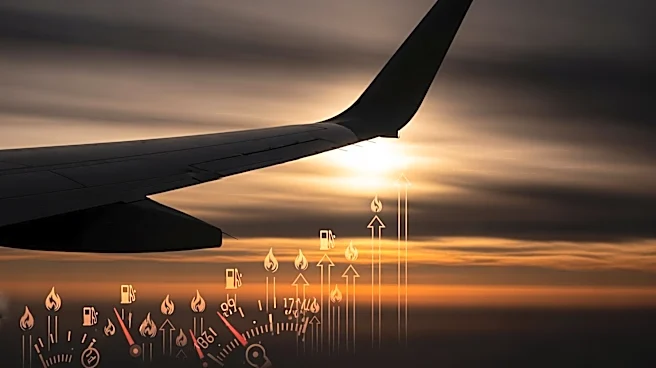
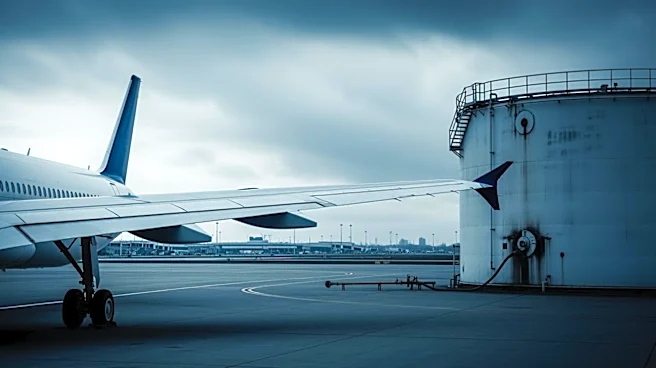
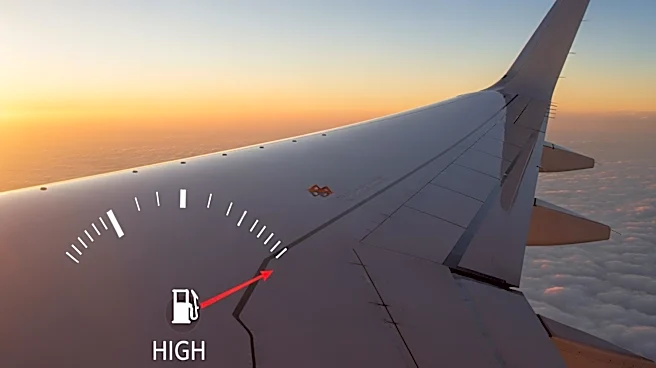
United Airlines has announced that it may need to increase fares by up to 20% to offset the rising fuel costs resulting from the ongoing conflict involving Iran. The situation has led to a significant surge in fuel prices, impacting the airline industry
heavily. This development comes as tensions in the Middle East continue to escalate, affecting global oil supply and prices. The airline industry, which is highly sensitive to fuel price fluctuations, is considering these fare hikes as a necessary measure to maintain financial stability. The potential fare increase is a direct response to the economic pressures faced by airlines due to the geopolitical situation.
Why It's Important?
The potential fare increase by United Airlines highlights the broader economic impact of geopolitical tensions on the airline industry and consumers. As fuel costs constitute a significant portion of airline operating expenses, any increase can lead to higher ticket prices, affecting travel demand. This situation underscores the vulnerability of the airline industry to external shocks, particularly those related to global oil supply. Consumers may face higher travel costs, which could reduce travel frequency and impact tourism-dependent economies. Additionally, the situation may prompt other airlines to consider similar measures, leading to a widespread increase in air travel costs.
What's Next?
If the conflict continues to affect fuel prices, United Airlines and other carriers may proceed with fare increases. This could lead to a reevaluation of travel budgets by consumers and businesses, potentially reducing travel demand. Airlines may also explore alternative strategies to mitigate costs, such as fuel hedging or operational efficiencies. The industry will likely monitor geopolitical developments closely, as any resolution or escalation could significantly impact fuel prices and, consequently, fare strategies. Stakeholders, including government agencies and industry groups, may engage in discussions to address the economic challenges posed by the situation.