






What's Happening?
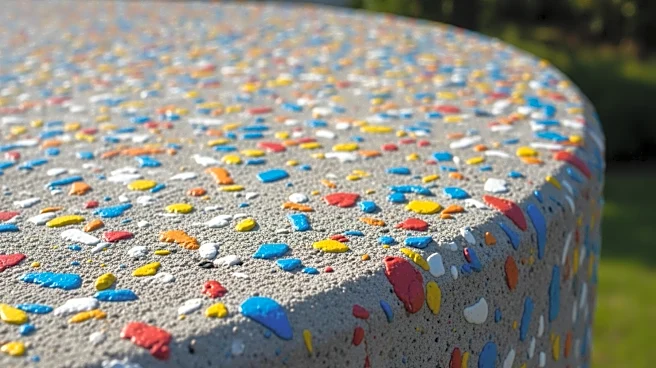
A recent study published in Scientific Reports explores the use of recycled plastic waste in concrete to improve its strength and sustainability. The research focuses on incorporating extruded plastic sack (EPS) waste, microsilica, and polypropylene fibers
into concrete as a partial aggregate replacement. This approach aims to enhance the mechanical properties of concrete while reducing environmental impact. The study demonstrates that using recycled materials in concrete can improve its tensile and compressive strengths, offering a sustainable alternative to traditional concrete production methods.
Why It's Important?
The integration of recycled plastic waste into concrete addresses two major environmental concerns: plastic pollution and the high resource demand of concrete production. By using waste materials as additives, the construction industry can reduce its reliance on natural resources and decrease the carbon footprint associated with concrete manufacturing. This innovation supports the transition towards a circular economy, where waste is repurposed into valuable resources. The findings could lead to more sustainable building practices, promoting eco-friendly construction methods and reducing the environmental impact of the industry.
What's Next?
Further research and development are needed to optimize the use of recycled plastic in concrete and address challenges such as the variability of plastic waste and the durability of the resulting material. The construction industry may need to adapt its standards and practices to accommodate these new materials. If successfully implemented, this approach could revolutionize the way concrete is produced and used, leading to more sustainable infrastructure development. Collaboration between researchers, industry stakeholders, and policymakers will be crucial in advancing this technology and integrating it into mainstream construction practices.