



What's Happening?
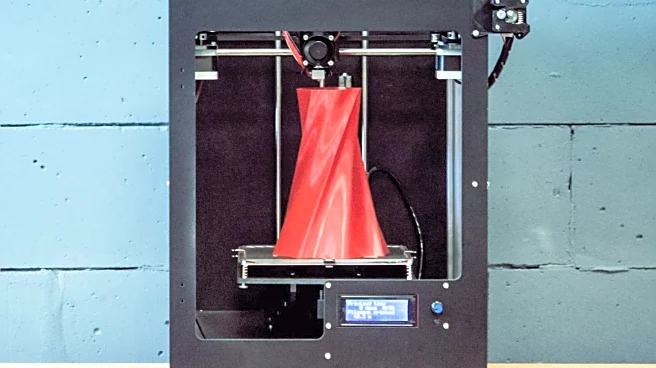
Makerspaces in higher education institutions are becoming pivotal in fostering creativity and hands-on learning among students. These spaces, equipped with tools like 3D printers, laser cutters, and advanced software, allow students to engage in practical
projects that complement their academic studies. At the University of Wisconsin–Madison, for example, the Grainger Engineering Design Innovation Lab provides students with access to a wide range of creative tools, while Case Western Reserve University's Sears think[box] offers a seven-story facility dedicated to innovation processes. These makerspaces are not only enhancing educational experiences but also building a community where students can develop professional and soft skills.
Why It's Important?
The proliferation of makerspaces in universities is crucial for preparing students for the modern workforce. By providing access to cutting-edge technology and fostering a collaborative environment, these spaces help students develop critical skills in problem-solving, innovation, and teamwork. This hands-on experience is invaluable in fields such as engineering, design, and technology, where practical application of knowledge is essential. Furthermore, makerspaces encourage interdisciplinary collaboration, allowing students from different fields to work together and learn from each other, thus broadening their perspectives and enhancing their educational experience.
Beyond the Headlines
The rise of makerspaces reflects a broader trend towards experiential learning in higher education. As these spaces become more prevalent, universities are investing significant resources to ensure they are equipped with the latest technology and are accessible to a diverse student body. This shift towards practical, hands-on education may influence curriculum development and teaching methods, as institutions recognize the value of integrating real-world applications into academic programs. Additionally, the community aspect of makerspaces can help break down barriers between academia and industry, fostering partnerships that benefit both students and local businesses.