





What's Happening?
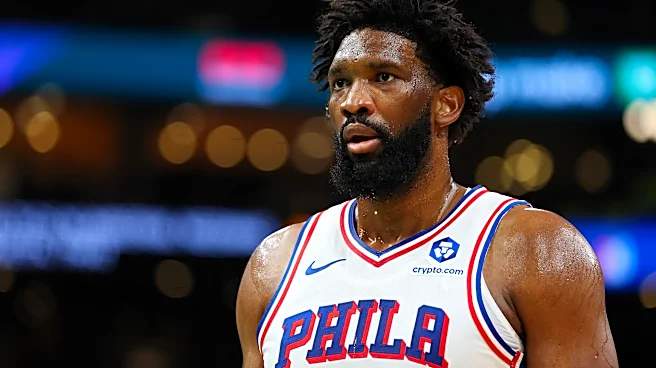
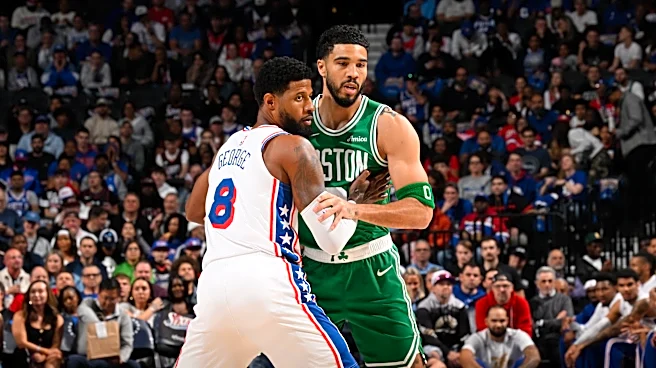
Joel Embiid, the star center for the Philadelphia 76ers, has made a public plea to the team's fans not to sell their playoff tickets to New York Knicks supporters. This request comes as the 76ers prepare to face the Knicks in the Eastern Conference Semifinals.
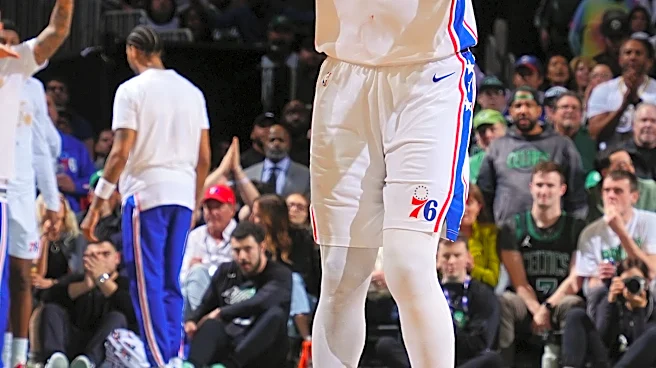
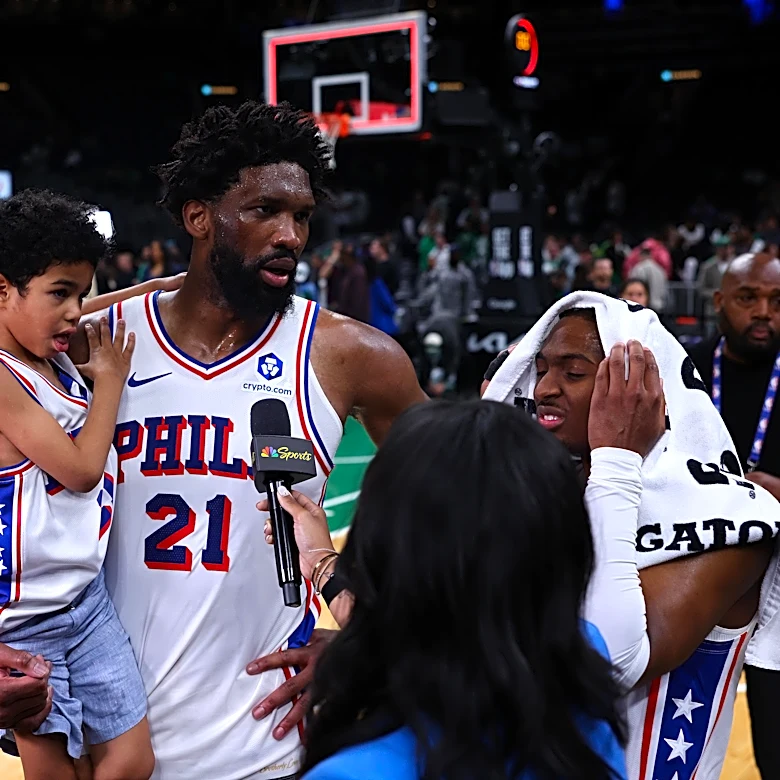
Embiid's appeal is rooted in a previous experience where Knicks fans significantly outnumbered 76ers fans at the Wells Fargo Center during a playoff series two years ago. The influx of Knicks fans turned the Philadelphia venue into a de facto home court for the visiting team, which Embiid found frustrating. Following a recent victory over the Boston Celtics, Embiid emphasized the importance of home-court advantage and the need for strong fan support. He even offered financial assistance to fans considering selling their tickets for monetary reasons, highlighting the critical role of fan presence in the team's success.
Why It's Important?
The presence of a supportive home crowd can significantly influence the outcome of playoff games, providing a psychological edge to the home team. For the 76ers, maintaining a strong fan presence is crucial as they face a formidable opponent in the Knicks. The economic aspect is also noteworthy, as ticket sales and resale can impact local businesses and the broader sports economy. Embiid's offer to financially support fans underscores the importance of community and loyalty in sports, potentially fostering a stronger bond between the team and its supporters. This situation also highlights the broader issue of ticket resale and its impact on home-court advantage in professional sports.
What's Next?
The 76ers will begin their series against the Knicks with the first game scheduled at Madison Square Garden. The outcome of this series could hinge on the level of support the 76ers receive from their fans, particularly during home games. The team's management and players may continue to engage with fans to ensure a robust home-court atmosphere. Additionally, the dynamics of ticket resale and fan attendance will likely be monitored closely by both teams and the league, potentially influencing future policies on ticket sales and distribution.