






What's Happening?
The U.S. Department of Labor has reported a significant increase in the prices of various goods over the past year, largely driven by a surge in energy costs linked to the Iran conflict. The Producer Price Index (PPI), which tracks inflation before products
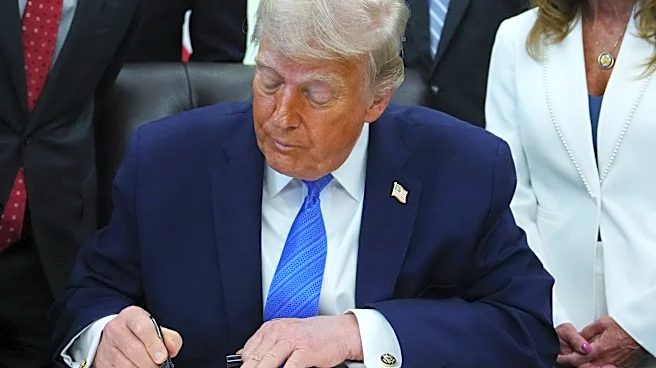
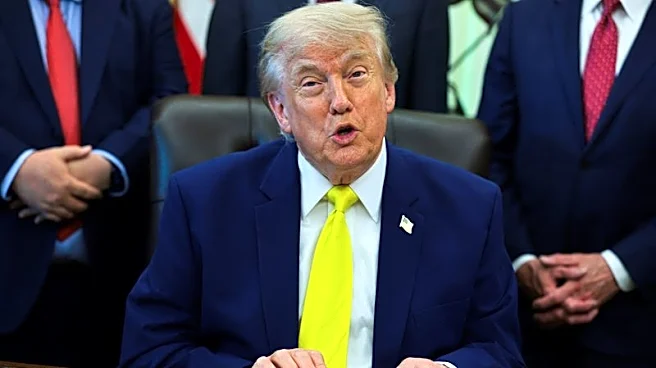
reach consumers, indicates that items such as diesel fuel have seen substantial price hikes, with diesel alone rising by 105.9%. This comes as President Trump, who campaigned on reducing costs for Americans, expressed a dismissive attitude towards inflation, suggesting that prices would drop once the Iran situation is resolved. The White House, through spokesman Kush Desai, emphasized the administration's focus on deregulation, tax cuts, and energy abundance as strategies to alleviate economic pressures.
Why It's Important?
The rise in product costs, particularly in energy, has significant implications for the U.S. economy and consumers. Energy-driven inflation can lead to increased costs across various sectors, including transportation and manufacturing, ultimately affecting consumer prices. The situation presents a challenge for the Trump administration, which has prioritized economic relief and cost reduction. The ongoing conflict with Iran and its impact on global oil supply further complicates efforts to stabilize prices. As energy costs remain volatile, the broader economic impact could influence public perception and political support for the administration's economic policies.
What's Next?
The resolution of the Iran conflict is seen as a potential turning point for stabilizing energy prices and, by extension, inflation. However, the timeline for such a resolution remains uncertain. In the meantime, businesses may face difficult decisions about whether to absorb rising costs or pass them on to consumers. The administration's continued focus on deregulation and energy policies will be critical in shaping future economic conditions. Analysts will be closely monitoring core inflation trends to assess whether current price increases are temporary or indicative of longer-term economic challenges.