





What's Happening?
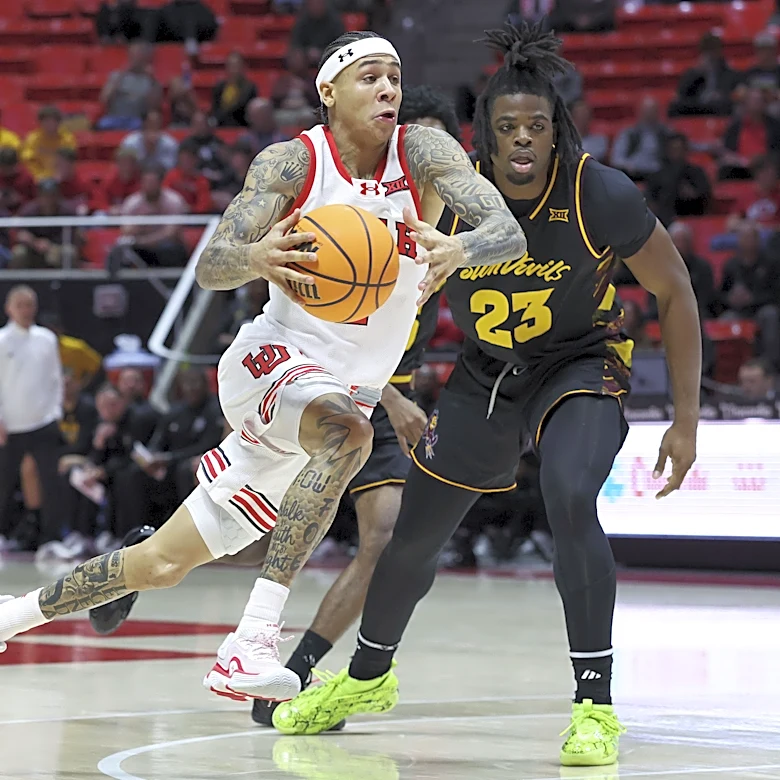
President Donald Trump has reiterated his call for Congress to pass legislation aimed at regulating college sports. This comes amid concerns over athletes' ability to transfer freely between schools and earn significant salaries, which some argue threaten
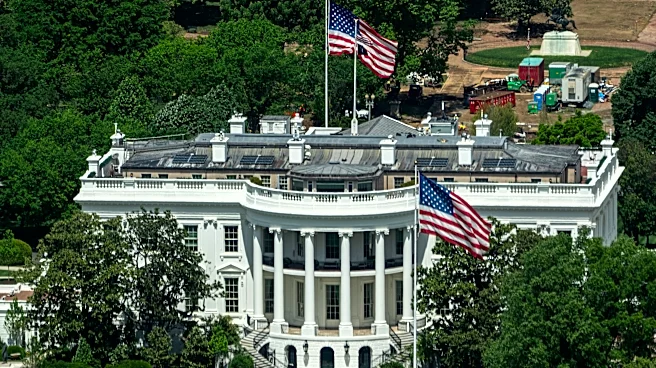
the financial stability of athletic departments. At a White House event honoring NCAA championship teams, Trump highlighted the need for federal legislation to address these issues, following his recent executive order that seeks to limit eligibility and prevent pay-for-play schemes. The executive order also aims to protect women's and Olympic sports, though its legal viability is uncertain. Trump and other stakeholders are advocating for legislative action to provide clarity and stability to the college sports landscape.
Why It's Important?
The push for legislative intervention in college sports reflects broader concerns about the evolving nature of amateur athletics in the U.S. The ability of athletes to earn money through name, image, and likeness deals has transformed the college sports environment, raising questions about fairness and financial sustainability. Federal legislation could provide a framework for managing these changes, potentially granting the NCAA an antitrust exemption to enforce rules. The outcome of this legislative effort could significantly impact college sports programs, athletes, and the broader sports industry, influencing how college athletics are structured and governed in the future.
What's Next?
As President Trump continues to advocate for congressional action, the focus will be on whether lawmakers can reach a consensus on the proposed legislation. The debate is likely to involve various stakeholders, including college sports administrators, athletes, and legal experts, who will weigh in on the potential implications of new regulations. The legislative process may also prompt further discussions about the role of college sports in higher education and the balance between amateurism and commercialization. The outcome of this initiative could set a precedent for how college sports are managed and regulated in the coming years.