




What's Happening?
Gabriela Hearst, a prominent figure in sustainable fashion, emphasizes the importance of quality over quantity in clothing. Drawing from her upbringing in rural Uruguay, Hearst has integrated natural fibers and artisanal craftsmanship into her brand,
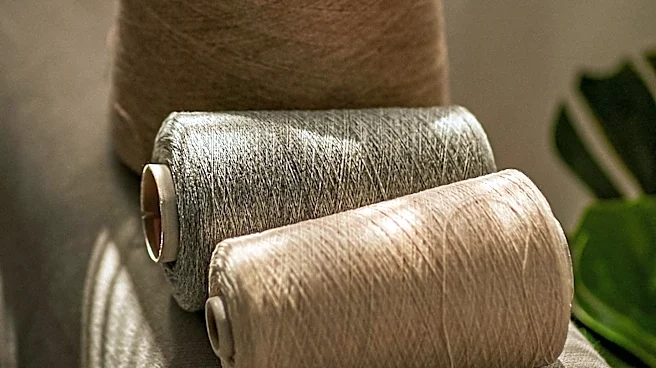
challenging the fast fashion industry. Her approach is rooted in the values she learned in Uruguay, where she discovered 'true beauty' in nature and simplicity. Hearst's brand collaborates with Manos del Uruguay, a cooperative of female weavers, to create handmade garments. This collaboration highlights the value of artisanal work in an era dominated by fast-paced technological advancements.
Why It's Important?
Hearst's advocacy for sustainable fashion is significant as it challenges the prevailing fast fashion model, which often prioritizes speed and low cost over quality and environmental impact. By promoting artisanal craftsmanship, Hearst not only supports traditional skills but also offers a sustainable alternative that could influence consumer behavior. This shift could lead to a reduction in waste and a greater appreciation for quality, long-lasting garments. The collaboration with Manos del Uruguay also underscores the potential for fashion to empower communities and preserve cultural heritage, offering a model for other brands to follow.
What's Next?
As the fashion industry continues to grapple with sustainability challenges, Hearst's model may inspire other designers and brands to adopt similar practices. The growing consumer interest in vintage and second-hand clothing suggests a shift towards more sustainable consumption patterns. Hearst's emphasis on the human element in fashion could lead to increased demand for handmade, artisanal products, potentially reshaping industry standards. The success of her collaboration with Manos del Uruguay may encourage more partnerships between high fashion brands and artisanal communities, fostering economic opportunities and cultural exchange.
Beyond the Headlines
Hearst's approach highlights the ethical dimensions of fashion, emphasizing the responsibility of those in privileged positions to support sustainable practices. Her work with Manos del Uruguay not only provides economic benefits to the weavers but also elevates the cultural significance of their craft. In an age where artificial intelligence and digital technologies are rapidly advancing, Hearst's focus on the human touch in fashion serves as a reminder of the value of creativity and craftsmanship. This perspective could influence broader cultural attitudes towards consumption and the appreciation of handmade goods.