







What's Happening?
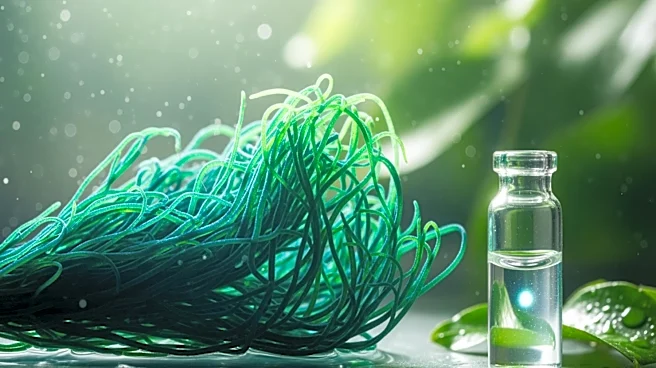
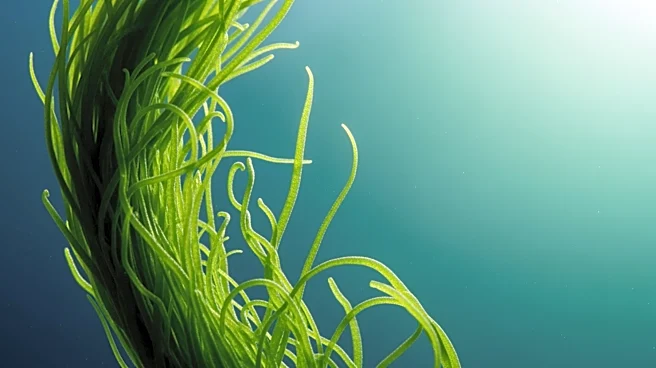
Researchers have developed a modified form of Spirulina that produces biologically active vitamin B12, offering a sustainable alternative to traditional animal-based sources. This breakthrough, published in Discover Food, addresses the global issue of vitamin B12 deficiency,
which affects millions worldwide. The modified Spirulina contains active B12 levels comparable to beef, making it a viable option for those seeking environmentally friendly nutrition. The production process utilizes renewable energy and is carbon-neutral, presenting a significant advancement in sustainable food technology.
Why It's Important?
This development is crucial as it provides a sustainable solution to vitamin B12 deficiency, a common issue due to the nutrient's traditional reliance on animal products. Livestock farming is a major environmental concern, contributing to greenhouse gas emissions and resource depletion. By offering a plant-based alternative, the modified Spirulina can reduce the environmental impact of B12 production. This innovation supports global efforts to transition to more sustainable food systems and could significantly reduce the carbon footprint associated with animal farming.
What's Next?
The scalability of Spirulina production is a key factor in its potential impact. If implemented on a larger scale, particularly in regions with abundant renewable energy like Iceland, it could meet the vitamin B12 needs of millions. Researchers are exploring scenarios where industrial energy is redirected to Spirulina cultivation, potentially supporting the nutritional needs of millions of children globally. Continued investment in this technology and infrastructure will be essential to realize its full potential and address global nutritional deficiencies sustainably.