
What's Happening?
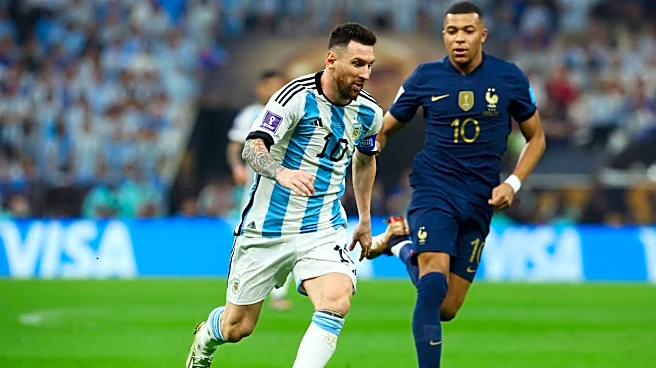
Cristiano Ronaldo, at 41, is set to participate in the upcoming World Cup, joining other veteran players like Lionel Messi and Luka Modric. This marks a significant presence of older players in the tournament,
with seven players aged 40 or older expected to compete. The inclusion of these veterans, particularly Ronaldo, has sparked debate about the impact on team dynamics and performance. While Ronaldo remains a celebrated figure, his current form has been questioned, with critics suggesting that his presence might hinder the potential of younger, emerging talents in the Portuguese team. The situation highlights a broader trend of sports science advancements allowing athletes to extend their careers, but also raises concerns about the balance between experience and agility in high-stakes competitions.
Why It's Important?
The participation of older players like Ronaldo in the World Cup underscores the evolving nature of sports, where improved training and nutrition allow athletes to compete longer. However, this trend also poses challenges for national teams, which must balance the experience of veteran players with the need for fresh talent. For Portugal, Ronaldo's inclusion could limit opportunities for younger players to shine, potentially affecting the team's overall performance. This situation reflects a broader issue in sports where the allure of celebrity and past achievements can overshadow current capabilities, impacting team strategy and success.
What's Next?
As the World Cup approaches, Portugal will need to carefully manage team dynamics to maximize performance. The coaching staff faces the challenge of integrating Ronaldo's experience while ensuring that younger players have the opportunity to contribute effectively. The outcome of this balancing act could influence Portugal's success in the tournament and set a precedent for how other teams handle similar situations with veteran players. Additionally, the performance of older players like Ronaldo will be closely watched, potentially influencing future decisions about player selection and team composition in international competitions.