






What's Happening?
Pyka, in collaboration with the Foundation for California Community Colleges, has been awarded a grant by the California Air Resources Board (CARB) and the California Energy Commission (CEC) to demonstrate commercial-scale zero-emission autonomous aviation
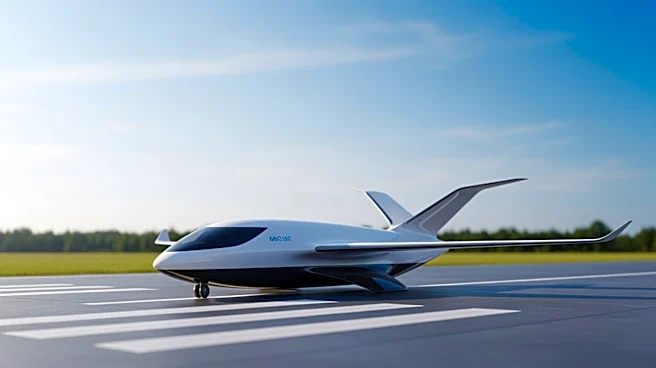
in California agriculture. The project will deploy Pyka's all-electric autonomous Pelican 2 aircraft at Victoria Island Farms, utilizing off-grid solar charging systems to power operations. This initiative aims to showcase the viability of zero-emission aviation, reduce greenhouse gas emissions, and promote workforce development in the aviation sector.
Why It's Important?
This project represents a significant step towards sustainable aviation, particularly in the agricultural sector. By demonstrating the scalability of zero-emission autonomous aircraft, Pyka and its partners are addressing critical environmental challenges, such as reducing carbon emissions and improving air quality. The initiative also supports economic development by creating pathways to high-quality jobs in clean aviation technology. The project's success could serve as a model for broader adoption of zero-emission aviation solutions, influencing policy development and industry practices across the state and potentially nationwide.
What's Next?
The project will continue to collect operational data to inform future policy and regulatory developments. As the demonstration progresses, there may be opportunities to expand the use of zero-emission aircraft to other sectors, such as cargo logistics. The initiative's focus on workforce development will also play a crucial role in preparing the next generation of skilled workers for the aviation industry. Stakeholders will likely watch the project's outcomes closely, as its success could drive further investments in sustainable aviation technologies.