


What's Happening?
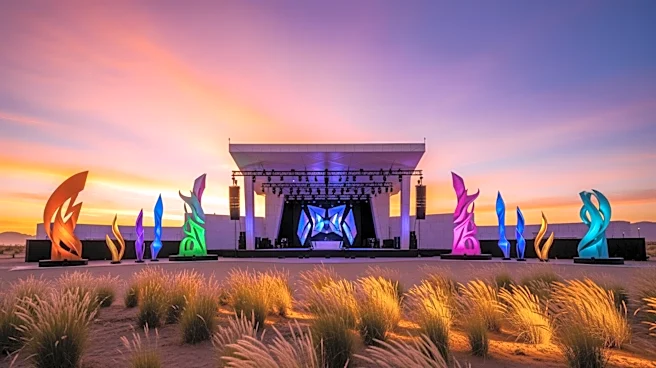
The Coachella Valley Music and Arts Festival, originally a purist's paradise, has transformed into a global cultural event. Initially, the festival was known for its focus on music, with no brand activations and limited corporate presence. Over the years,
the festival has expanded significantly, both in size and scope, incorporating a wide array of brand partnerships and influencer culture. The introduction of livestreams in 2010 and the rise of social media have played pivotal roles in this transformation, allowing the festival to reach a global audience. Iconic performances, such as Daft Punk's 2006 pyramid set and Beyoncé's 2018 spectacle, have further cemented Coachella's status as a key player in the pop culture landscape.
Why It's Important?
Coachella's evolution reflects broader trends in the music and entertainment industries, where digital media and influencer culture have become integral. The festival's ability to adapt and incorporate these elements has allowed it to maintain relevance and expand its audience. This shift has implications for how music festivals are marketed and consumed, with a focus on creating experiences that are as engaging online as they are in person. The festival's success also highlights the growing importance of brand partnerships in the entertainment sector, as companies seek to leverage cultural events to reach new audiences.
What's Next?
As Coachella continues to evolve, it is likely to further integrate digital and social media elements into its offerings. Future festivals may see even more sophisticated uses of technology to enhance both the live and virtual experiences. Additionally, the festival's model could influence other events, encouraging them to adopt similar strategies to expand their reach and engagement. Stakeholders, including artists, brands, and media companies, will likely continue to explore innovative ways to capitalize on the festival's global platform.
Beyond the Headlines
The transformation of Coachella raises questions about the commercialization of cultural events and the balance between maintaining artistic integrity and embracing commercial opportunities. As the festival becomes more intertwined with brand and influencer culture, there is a risk of alienating traditional music fans who value the festival's original focus on music. This dynamic highlights the ongoing tension between art and commerce in the entertainment industry.