
What's Happening?
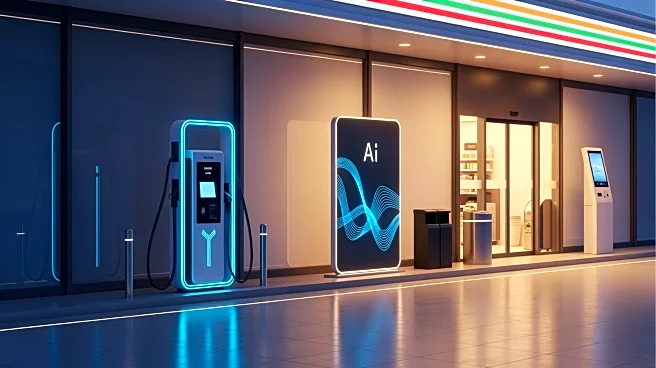
In 2025, convenience-store retailers have significantly integrated artificial intelligence (AI) and electric vehicle (EV) infrastructure into their operations. AI has transitioned from back-office analytics
to customer-facing applications, enhancing labor management, shopper behavior tracking, and task automation. Notable chains like 7-Eleven and Circle K have implemented AI to optimize delivery platforms and streamline in-store operations. Additionally, convenience stores have accelerated the adoption of EV charging infrastructure, partnering with network providers to meet the growing demand for high-speed charging. Chains such as bp pulse and Casey’s have rolled out ultrafast charging hubs and integrated these services into their site designs and loyalty programs. Furthermore, digital loyalty programs have evolved into data-driven engagement engines, offering personalized rewards and cross-selling opportunities. Online ordering has also become a core component of convenience-store technology, with national and regional chains expanding digital ordering and delivery services.
Why It's Important?
The integration of AI and EV infrastructure in convenience stores represents a significant shift in retail operations, aiming to enhance customer experience and operational efficiency. By leveraging AI, retailers can offer personalized services and optimize resource management, potentially increasing customer satisfaction and loyalty. The expansion of EV charging infrastructure aligns with the growing adoption of electric vehicles, positioning convenience stores as key players in the EV ecosystem. This move not only attracts EV owners but also integrates charging services into broader retail strategies, potentially increasing foot traffic and sales. The evolution of loyalty programs into sophisticated engagement tools reflects a broader trend towards data-driven marketing, enabling retailers to better understand and meet consumer needs. The incorporation of online ordering and delivery services caters to changing consumer preferences, emphasizing convenience and accessibility in the retail experience.
What's Next?
As convenience stores continue to integrate AI and EV infrastructure, further advancements in technology and customer engagement strategies are expected. Retailers may explore additional AI applications, such as predictive analytics and automated inventory management, to further streamline operations. The expansion of EV charging networks will likely continue, with more locations incorporating high-speed chargers and integrating these services into loyalty programs. The evolution of digital loyalty programs may lead to more personalized and dynamic customer interactions, leveraging data analytics to tailor offers and promotions. Additionally, the growth of online ordering and delivery services may prompt retailers to enhance their digital platforms, offering seamless and efficient customer experiences. These developments could drive increased competition among convenience stores, as they strive to differentiate themselves through innovative technology and customer-centric services.
Beyond the Headlines
The integration of AI and EV infrastructure in convenience stores raises important considerations regarding data privacy and security. As retailers collect and analyze vast amounts of customer data, ensuring robust data protection measures will be crucial to maintaining consumer trust. The expansion of EV charging infrastructure also highlights the need for sustainable energy solutions, as increased demand for electricity could strain existing power grids. Retailers may need to explore renewable energy sources and energy management systems to support their EV charging operations. Furthermore, the shift towards digital engagement and online ordering underscores the importance of digital literacy and accessibility, as retailers must ensure that their platforms are user-friendly and inclusive for all customers. These developments may also influence broader retail trends, as other sectors look to convenience stores as a model for integrating technology and enhancing customer experiences.