






What's Happening?
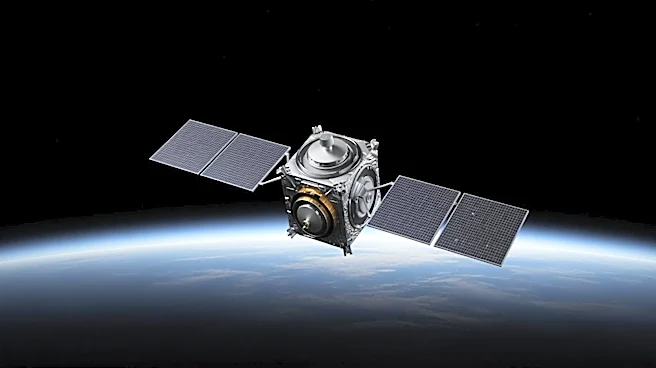
Thaicom has received regulatory approval to lease satellite capacity from KT Sat due to delays in the launch of its Thaicom 9 satellite. The National Broadcasting and Telecommunications Commission (NBTC) of Thailand has endorsed Thaicom's plan to use
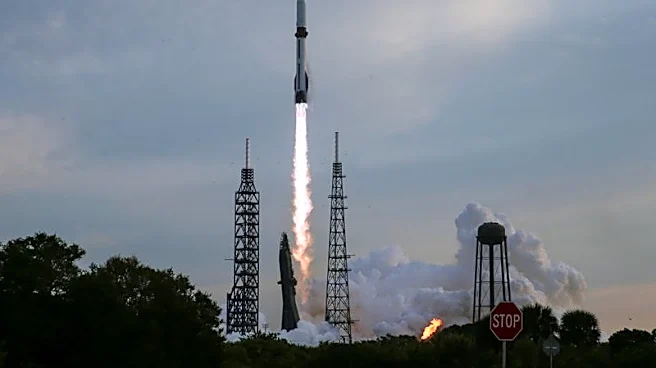
KT Sat's Koreasat 7 and Koreasat 5A satellites to maintain service continuity for its customers. Thaicom 4, the satellite currently in use, is nearing the end of its operational life, prompting the need for this interim solution. The delay in launching Thaicom 9, originally scheduled with SpaceX, is attributed to manufacturing issues identified by Astranis, the satellite's supplier.
Why It's Important?
This development underscores the challenges faced by satellite operators in maintaining service continuity amid technological and logistical hurdles. Thaicom's ability to secure alternative capacity highlights the importance of strategic partnerships in the satellite industry. The delay in Thaicom 9's launch could impact Thaicom's service offerings and revenue, emphasizing the need for robust contingency planning. This situation also reflects broader industry trends where satellite operators must navigate complex supply chains and regulatory environments to deliver reliable services.
What's Next?
Thaicom is expected to continue its efforts to launch Thaicom 9, with a revised timeline potentially extending to 2027. In the meantime, the company will rely on KT Sat's capacity to ensure uninterrupted service. Thaicom is also planning the launch of another satellite, Thaicom 10, in 2027, with Airbus contracted for its development. The company will likely focus on mitigating any further delays and exploring additional partnerships to enhance its service offerings. Stakeholders will be monitoring these developments closely, as they could influence market dynamics and competitive positioning in the satellite communications sector.