



What's Happening?
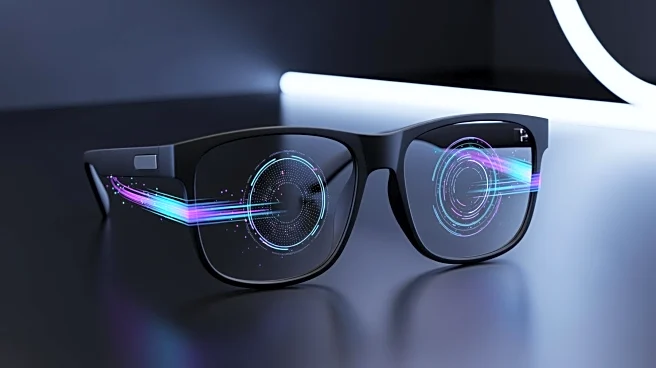
In 2026, major technology companies are set to release a new wave of smart glasses, marking a significant shift from bulky headsets to more discreet wearable technology. Google, Meta, and Snap are leading the charge with innovative designs and features. Google plans to introduce two models of AI glasses, one with a screen-free assistant and another with an in-lens display for augmented reality (AR) overlays. These models are part of a broader strategy involving partnerships with companies like Warby Parker and Xreal, indicating a push towards mainstream consumer adoption. Meta's Ray-Ban Meta Gen 2 glasses will offer 3K video capabilities and up to 8 hours of battery life, while Snap's new Spectacles aim to be lighter and more suitable for public
wear. These developments highlight a growing trend towards integrating advanced technology into everyday eyewear, offering users enhanced AR experiences without the need for traditional screens.
Why It's Important?
The introduction of these smart glasses represents a pivotal moment in the evolution of wearable technology, potentially transforming how consumers interact with digital content. By moving towards more discreet and stylish designs, these companies are addressing consumer demand for technology that seamlessly integrates into daily life. This shift could lead to increased adoption of AR technology, influencing sectors such as retail, entertainment, and communication. For businesses, the ability to offer immersive experiences through wearable devices could open new revenue streams and marketing opportunities. Additionally, the partnerships with established eyewear brands suggest a strategic move to appeal to fashion-conscious consumers, further broadening the market for smart glasses.
What's Next?
As these smart glasses hit the market, consumer response will be crucial in determining their success. Companies will likely focus on refining the technology and expanding their partnerships to enhance functionality and appeal. The competitive landscape may drive further innovation, with other tech firms potentially entering the market. Regulatory considerations around privacy and data security will also play a role, as these devices collect and process user data. Stakeholders, including tech companies, retailers, and consumers, will need to navigate these challenges to fully realize the potential of smart glasses in everyday life.
Beyond the Headlines
The rise of smart glasses could have broader implications for societal norms and behaviors. As these devices become more common, they may influence how people interact in social settings, potentially reducing reliance on smartphones. The integration of AR into daily life could also lead to new forms of digital communication and collaboration, reshaping work and leisure activities. Ethical considerations around data privacy and the impact of constant connectivity on mental health will need to be addressed as the technology becomes more pervasive.