
What's Happening?
The proposed $85 billion merger between Union Pacific and Norfolk Southern railroads is facing opposition from two major rail unions, the Brotherhood of Locomotive Engineers and Trainmen and the Brotherhood of Maintenance
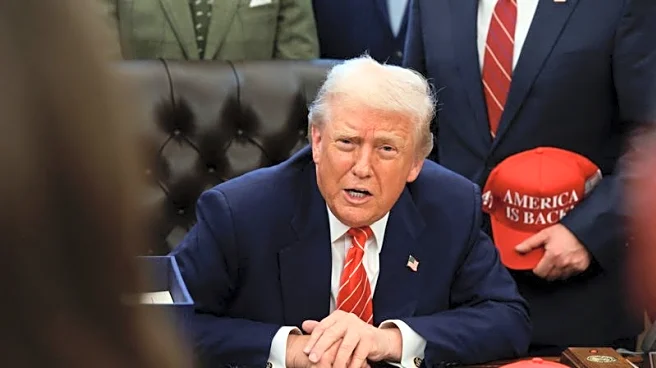
of Way Employes Division. These unions, representing over half of the workers at the involved companies, have raised concerns about potential safety risks, job security, and increased shipping costs. Despite support from the largest rail union and an endorsement from President Trump, the unions argue that the merger could lead to job losses and higher consumer prices. The U.S. Surface Transportation Board will review the merger application under stringent standards to ensure it enhances competition and serves the public interest.
Why It's Important?
The merger, if approved, would create the first transcontinental railroad in the U.S., potentially reshaping the rail industry by reducing the need for hand-offs between railroads. However, the opposition from significant labor unions highlights concerns about job security and safety, which could impact thousands of workers and affect shipping rates. The decision by the Surface Transportation Board will set a precedent for future mergers in the industry, influencing competition and market dynamics. The outcome could also affect consumer prices and the broader economy, as rail is a critical component of the national supply chain.
What's Next?
The Surface Transportation Board will begin its review process once the formal application is submitted. This review will consider the merger's impact on competition and public interest, applying new standards established after previous problematic mergers. Stakeholders, including competing railroads and industry groups, will likely continue to voice their concerns. The decision could lead to further regulatory scrutiny and potential legal challenges, especially if the merger is perceived to reduce competition or harm public interest.