





What's Happening?
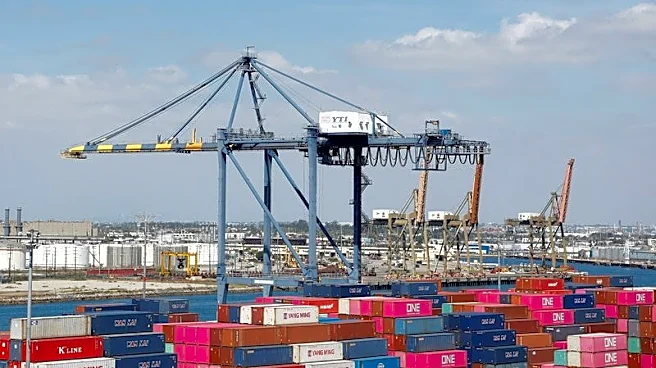
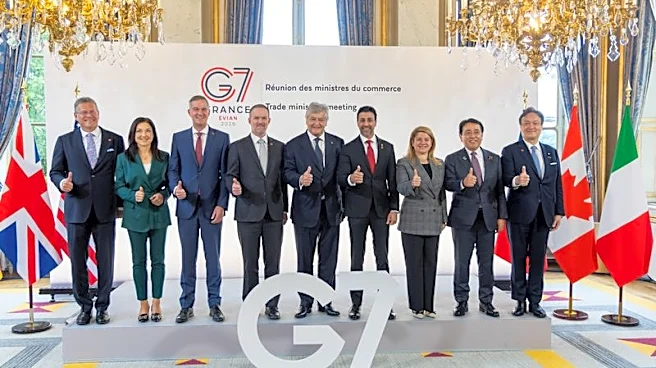
The United States Trade Representative (USTR) is conducting Section 301 investigations into excess industrial capacity across 16 foreign economies, including China and the European Union. The Trump administration has accused these countries of overproduction,
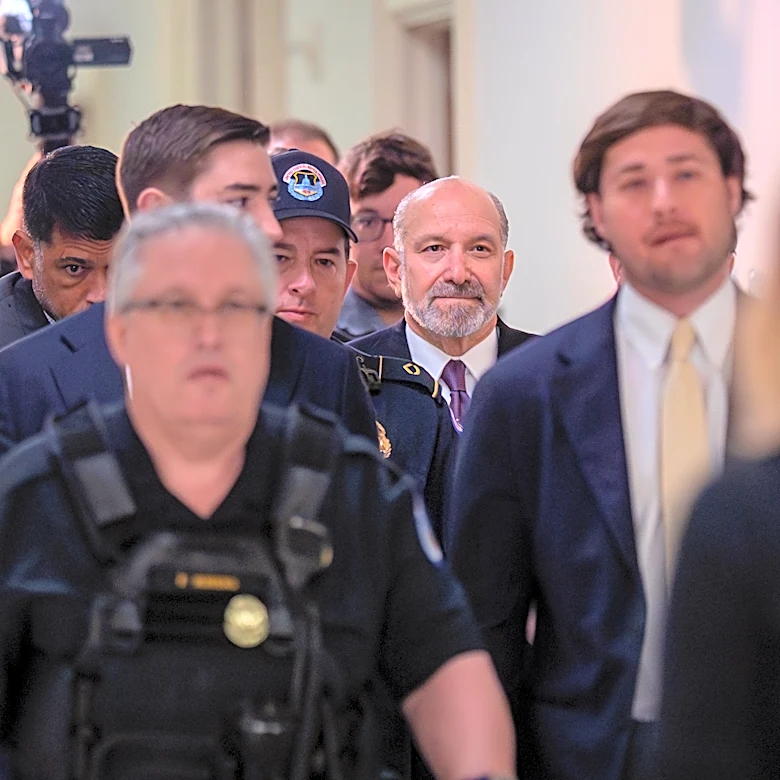
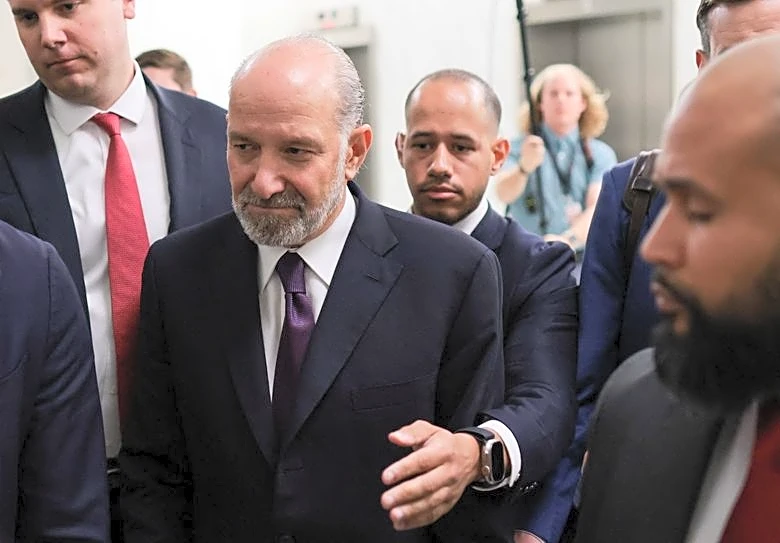
which allegedly depresses demand for American-made goods. During a hearing in Washington, retail trade associations and supply chain stakeholders expressed concerns over potential new tariffs. They argue that such tariffs would be burdensome to American industries. The administration aims to reconstitute tariffs invalidated earlier by leveraging established trade statutes. Apparel and footwear groups, which already face high tariffs, are particularly vocal against these potential measures, citing increased costs and disruption to sourcing decisions.
Why It's Important?
The potential imposition of new tariffs could significantly impact U.S. industries, particularly the apparel and footwear sectors, which already contribute disproportionately to tariff revenues. These industries argue that additional tariffs would increase costs for American businesses and consumers, disrupt long-term planning, and undermine U.S. competitiveness. The broader economic implications include potential retaliatory measures from affected countries, which could further strain international trade relations. The outcome of these investigations and any resulting tariffs could reshape the landscape of U.S. trade policy and its economic relationships with key global partners.
What's Next?
The USTR's investigations are ongoing, and the administration is expected to announce new tariff measures based on the findings. Stakeholders are closely monitoring the situation, particularly how new tariff rates might differ from previous ones and how they will affect sourcing strategies. The apparel and footwear industries are preparing for potential shifts in production and sourcing to mitigate the impact of any new tariffs. The administration's actions will likely prompt responses from international trade partners, potentially leading to negotiations or disputes in global trade forums.