



What's Happening?
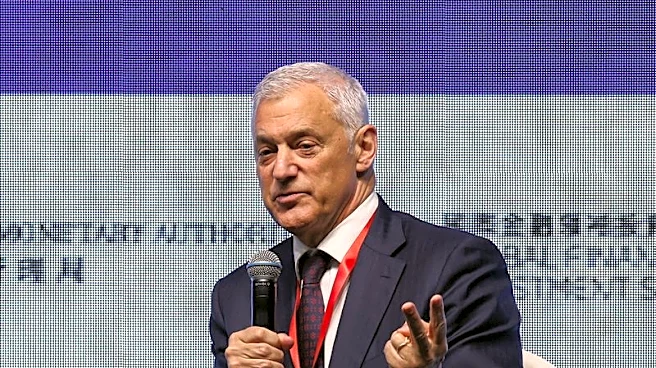
HSBC CEO Georges Elhedery has announced that artificial intelligence (AI) will significantly alter the landscape of banking jobs, both creating and displacing roles within the industry. Speaking at an HSBC investor day event, Elhedery emphasized the necessity
for the bank's workforce to adapt to AI-driven changes. He outlined plans to retrain 200,000 employees to ensure they are equipped to handle the evolving technological environment. The bank's strategy includes integrating AI responsibly while maintaining human judgment and accountability. This initiative is part of a broader effort to enhance customer engagement and streamline processes through AI, with a focus on areas such as onboarding, financial risk monitoring, and wealth management.
Why It's Important?
The integration of AI into banking is poised to transform the industry, affecting both employees and customers. For employees, the shift necessitates significant retraining and upskilling to remain relevant in an AI-driven environment. This transformation could lead to job displacement for some, while creating new opportunities for others. For customers, the use of AI promises more personalized and efficient services. The bank's commitment to responsible AI usage underscores the importance of maintaining human oversight in decision-making processes. This development reflects a broader trend in the financial sector, where AI is increasingly seen as a tool for enhancing operational efficiency and customer satisfaction.
What's Next?
HSBC plans to continue its investment in AI, with a focus on empowering employees and improving customer experiences. The bank's leadership will likely monitor the implementation of AI-driven initiatives closely to ensure they align with strategic goals. As the financial industry adapts to these changes, other banks may follow suit, leading to widespread adoption of AI technologies. Stakeholders, including employees, customers, and regulators, will be watching closely to see how these changes impact the industry and whether they lead to improved outcomes for all parties involved.