
What's Happening?
Vida Health, a virtual cardiometabolic care provider, has partnered with Instacart to offer category-specific grocery stipends to its members. This initiative, utilizing Instacart Health Fresh Funds, aims
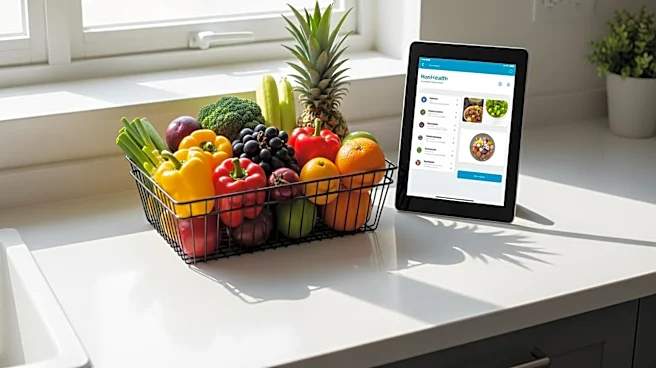
to provide financial support for purchasing dietitian-approved groceries, addressing social determinants of health. The partnership leverages Instacart's extensive delivery network, which covers 98% of U.S. households, including 95% of low-income and low-access food deserts. The program is designed to overcome barriers to accessing nutritious food, particularly in underserved areas, by integrating grocery stipends into Vida Health's virtual care delivery. This collaboration is part of a broader effort to align clinical advice with real-world food access, thereby improving patient compliance and health outcomes.
Why It's Important?
This partnership is significant as it addresses a critical gap in healthcare delivery by linking clinical nutritional advice with practical food access solutions. By providing financial stipends for healthy groceries, the initiative aims to improve dietary adherence among patients with chronic cardiometabolic conditions. This could lead to better health outcomes, reduced emergency visits, and lower healthcare costs. The program also highlights the importance of addressing social determinants of health, such as food insecurity, in managing chronic diseases. For healthcare providers and insurers, this model offers a potential pathway to enhance the value of digital health investments and improve patient engagement.
What's Next?
Future phases of the partnership will focus on making Vida Health's clinical meal plans directly shoppable through the Instacart Marketplace. There are also plans to explore employer-subsidized food access models, integrating these programs into enterprise benefit structures. This could expand the reach and impact of the initiative, providing more patients with access to nutritious food and supporting long-term health improvements. The success of this partnership could encourage similar collaborations between healthcare providers and grocery delivery services, further integrating food access into healthcare delivery.