






What's Happening?
Economists forecast that the Consumer Price Index (CPI) for May will show a 4.2% annual increase, the highest since April 2023. This rise is primarily driven by higher energy prices, influenced by geopolitical tensions such as the Iran war. Despite recent
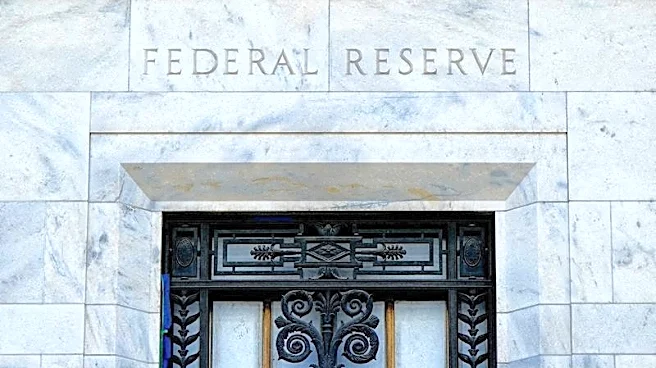
reductions in oil and fuel prices, the inflationary impact remains significant. Core CPI, excluding food and gas, is expected to rise modestly. The persistent inflation, well above the Federal Reserve's 2% target, reflects ongoing economic challenges. A recent poll indicates that many Americans feel their incomes are not keeping pace with inflation.
Why It's Important?
The expected increase in inflation underscores the economic pressures facing U.S. consumers, with energy prices playing a pivotal role. This situation highlights the broader economic challenges, including the need for effective policy responses to stabilize prices and support consumer purchasing power. The persistent inflationary environment may influence monetary policy decisions, potentially affecting interest rates and economic growth. The public's perception of the economy, as reflected in the poll, could impact consumer confidence and spending, further influencing economic dynamics.
What's Next?
The release of the CPI data will likely prompt discussions among policymakers and economists regarding potential measures to address inflation. The Federal Reserve may consider policy adjustments to manage inflationary pressures. Additionally, the ongoing geopolitical situation and its impact on energy prices will continue to be a focal point for economic analysis. Businesses and consumers may need to adapt to the evolving economic conditions, potentially influencing market trends and economic forecasts.