



What's Happening?
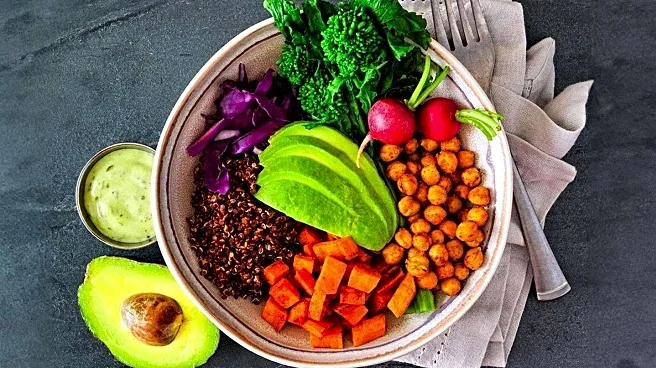
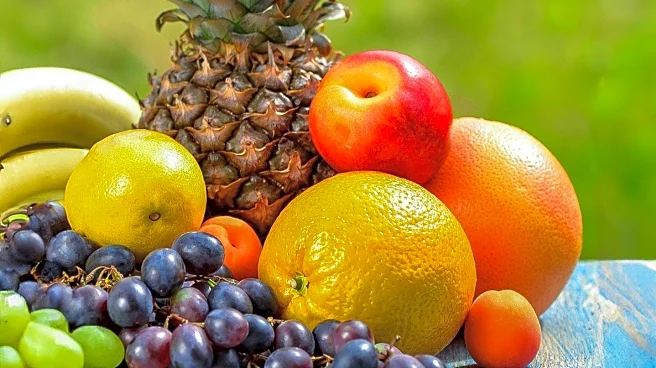
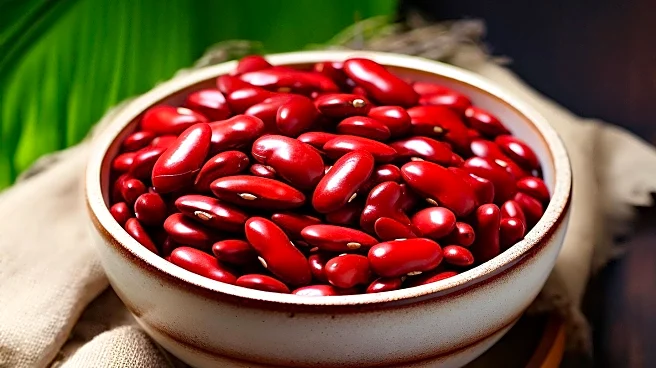
Dietitians are emphasizing the importance of polyphenol-rich foods in combating inflammation and promoting overall health. Polyphenols, naturally occurring compounds in plants, are found in foods such as fruits, vegetables, tea, coffee, herbs, spices,
nuts, seeds, and cocoa. These compounds are known for their antioxidant properties, which help reduce inflammation and oxidative stress. Experts suggest that diets rich in polyphenols may protect against various chronic diseases, including certain cancers, heart disease, and type 2 diabetes. While there is no official recommended daily intake for polyphenols, incorporating a variety of colorful plant foods into one's diet is advised. Whole foods are preferred over supplements, as they provide additional nutrients and fiber that work synergistically to support health.
Why It's Important?
The focus on polyphenol-rich foods is significant due to their potential to improve public health by reducing the risk of chronic diseases. As healthcare costs continue to rise, dietary interventions that can prevent or mitigate disease are increasingly valuable. Polyphenols' role in interacting with the gut microbiome and immune system highlights their importance in maintaining health. By promoting the consumption of these foods, dietitians aim to encourage healthier eating habits that could lead to a decrease in the prevalence of diet-related illnesses. This shift towards plant-based nutrition aligns with broader trends in health and wellness, emphasizing prevention over treatment.