





What's Happening?
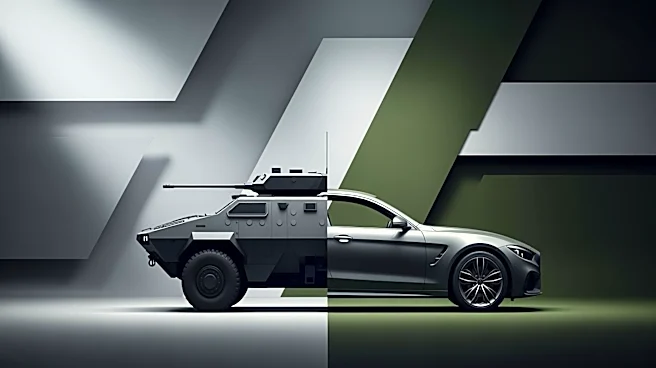
Rheinmetall, a German defense and automotive company, has announced the sale of its struggling automotive unit to Aequita, a Munich-based investment firm, for approximately €350 million ($406 million). This decision is part of Rheinmetall's strategic
shift to concentrate on its defense operations, which have seen significant growth due to increased defense spending in Europe following the Ukraine war. The automotive unit, classified as a discontinued operation since December 2025, will be sold with the deal expected to close in the fourth quarter. The sale will result in additional impairment charges of about €200 million, following a previous non-cash charge of around €350 million. Aequita plans to retain the unit's 6,250 employees worldwide and aims to integrate the business into its automotive division, which will now generate approximately €5 billion in revenues.
Why It's Important?
The sale of Rheinmetall's automotive division underscores a broader trend of companies realigning their business strategies in response to geopolitical shifts and market demands. By focusing on defense, Rheinmetall is positioning itself to capitalize on the increased defense budgets across Europe, driven by security concerns related to the Ukraine conflict. This move could enhance Rheinmetall's competitive edge in the defense sector, potentially leading to increased market share and profitability. For Aequita, acquiring the automotive unit presents an opportunity to expand its portfolio and leverage synergies within its existing automotive operations. The retention of the workforce suggests a commitment to maintaining operational stability and continuity.
What's Next?
As the deal progresses towards closure in the fourth quarter, stakeholders will be closely monitoring the integration process and the realization of projected synergies by Aequita. Rheinmetall's focus on defense may lead to further investments and innovations in military technology, potentially influencing defense procurement strategies in Europe. Additionally, the automotive sector will be watching how Aequita manages the transition and whether it can successfully revitalize the acquired unit. The outcome of this transaction could set a precedent for similar strategic realignments by other companies facing sectoral challenges.