
What's Happening?
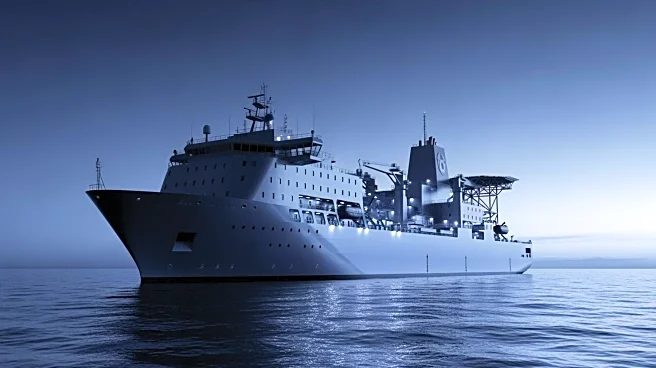
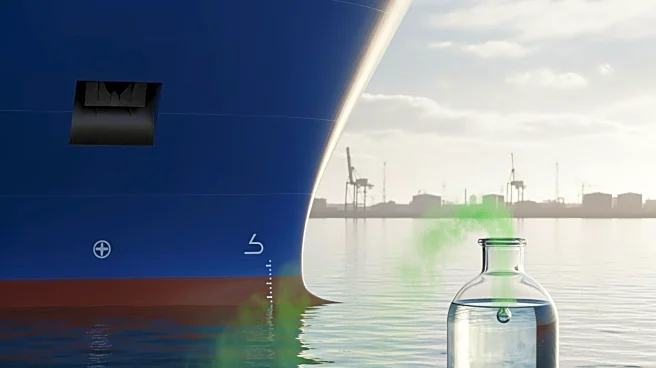
A recent analysis by WinGD and Envision Energy has brought to light the evolving economics of zero-emission fuels, particularly green ammonia, within the maritime industry. The study indicates that while green ammonia currently costs nearly three times
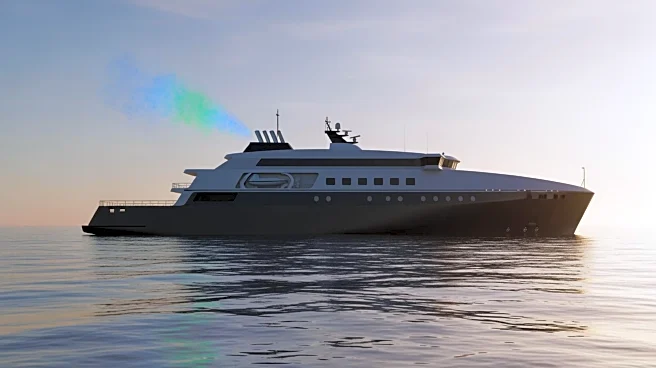
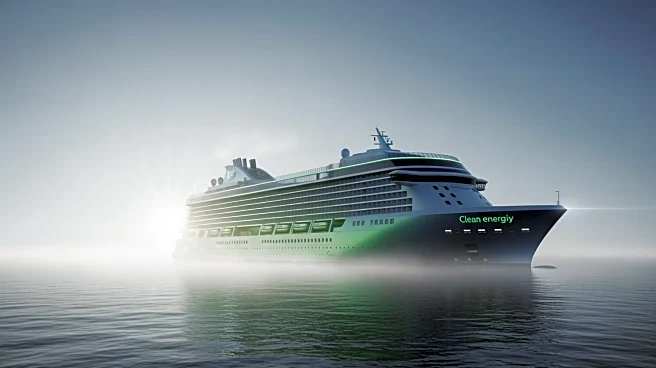
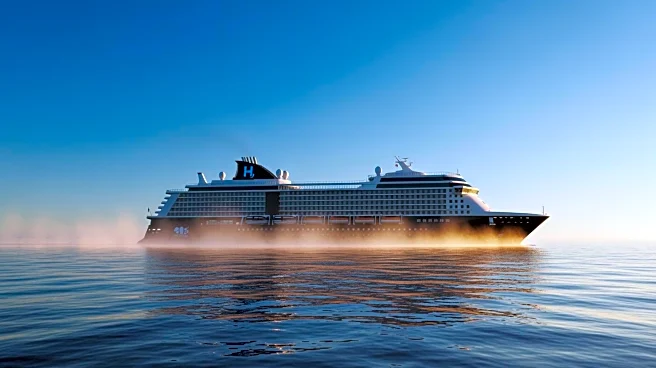
more than very low sulfur fuel oil (VLSFO), its competitiveness improves significantly under regulatory frameworks that impose carbon penalties. These frameworks make green ammonia-fueled vessels potentially more cost-effective than conventional ships by reducing emissions-related costs and generating value through tradable credits. The study emphasizes that green ammonia, unlike methanol or synthetic LNG, does not emit CO2 during combustion, which is economically advantageous in a carbon-constrained market. Additionally, the supply of green ammonia is expanding, with large-scale production projects underway, addressing concerns about availability and price stability.
Why It's Important?
The findings of this study are significant for the maritime industry as they suggest a shift in the economic viability of green fuels, driven by regulatory changes. As carbon penalties become more prevalent, the cost dynamics of operating vessels are changing, potentially making green ammonia a more attractive option for shipowners. This shift could lead to a reduction in the maritime sector's carbon footprint, aligning with global environmental goals. The transition to green ammonia could also stimulate investment in related infrastructure and technology, fostering innovation and job creation in the green energy sector. However, the higher initial investment required for green ammonia systems and the need for technological advancements in auxiliary engines remain challenges that the industry must address.
What's Next?
As regulatory frameworks continue to evolve, the maritime industry may see increased adoption of green ammonia as a fuel source. Shipowners might begin to invest more in green ammonia technology and infrastructure, anticipating future cost savings and compliance benefits. The development of large-scale production facilities for green ammonia is likely to accelerate, ensuring a stable supply for the industry. Additionally, ongoing research and development efforts could focus on overcoming current technological gaps, particularly in auxiliary engine integration. Stakeholders, including policymakers and industry leaders, will need to collaborate to create supportive environments that facilitate this transition.