



What's Happening?
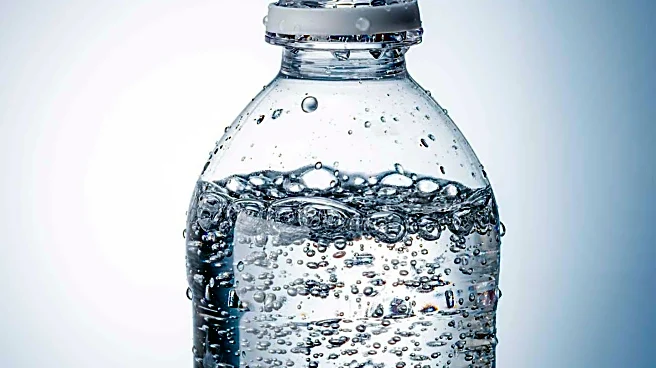
A column by Dr. Trisha Pasricha in The Washington Post discusses the health implications of choosing between bottled and tap water, focusing on the presence of microplastics. Bottled water, often perceived as a healthier option, may increase microplastic intake compared to tap water. The article highlights that while bottled water can reduce exposure to contaminants like lead and PFAS, it may introduce more microplastics due to the plastic bottles themselves. The column suggests reverse osmosis filtration as a comprehensive solution for reducing contaminants, though it acknowledges the high cost of such systems.
Why It's Important?
The discussion is crucial as it addresses public health concerns related to water consumption and the widespread presence of microplastics.
With many Americans believing bottled water is safer, the article challenges this perception by highlighting the potential health risks associated with microplastic ingestion. The issue is particularly relevant given the increasing awareness of environmental and health impacts of plastic pollution. The column encourages consumers to consider alternative water filtration methods to mitigate these risks, emphasizing the need for informed choices in water consumption.
What's Next?
The article suggests practical steps for individuals to improve water safety, such as regularly changing pitcher filters and testing well water. It also highlights the importance of avoiding bottled water that has been exposed to heat, which can increase microplastic leaching. As research on microplastics continues, further studies may provide clearer guidance on safe water consumption practices. The column underscores the need for ongoing public education and policy discussions to address the environmental and health challenges posed by microplastics.