






What's Happening?
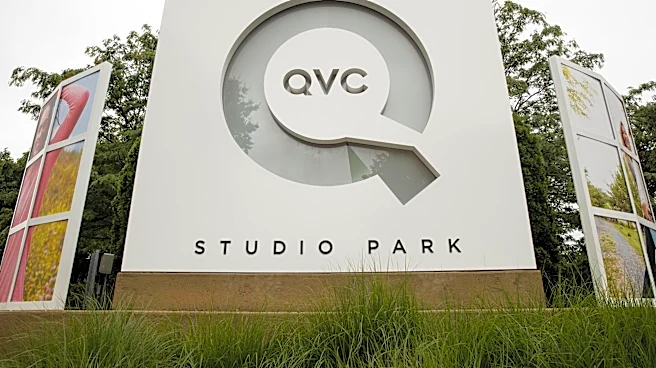
QVC Group, the parent company of the well-known television shopping networks QVC and HSN, has filed for Chapter 11 bankruptcy protection. This move, reported by Deadline, is part of a strategy to restructure its finances and adapt to the changing retail
environment. The filing was made in the U.S. Bankruptcy Court for the Southern District of Texas. The company aims to reduce its debt from approximately $6.6 billion to $1.3 billion, supported by a majority of its lenders. Despite the bankruptcy, QVC and HSN will continue operations without interruption, maintaining employee wages and benefits. The filing does not affect international operations in countries like the UK, Germany, Japan, and Italy.
Why It's Important?
The bankruptcy filing by QVC Group highlights significant shifts in consumer behavior and media consumption. The rise of e-commerce, smartphone adoption, and cord-cutting have diminished the traditional TV audience, impacting sales for networks like QVC and HSN. This restructuring is crucial for QVC Group to remain competitive in the digital and social commerce space. The company is focusing on live social shopping, leveraging platforms like TikTok Shop to reach younger, mobile-first audiences. This move underscores the broader trend of legacy media adapting to digital formats to capture consumer attention.
What's Next?
QVC Group plans to emerge from Chapter 11 by the summer of 2026, aided by a prepackaged restructuring support agreement. The company is focusing on expanding its presence in streaming services and social media partnerships. Operational efficiencies, such as consolidating network functions, are also part of the strategy. The restructuring aims to preserve QVC's core strengths, like engaging product presentations and customer service, while reducing financial obligations. This approach positions the company to capitalize on opportunities in live commerce, ensuring its relevance in the evolving retail landscape.
Beyond the Headlines
The bankruptcy and restructuring of QVC Group reflect broader challenges faced by traditional media and retail formats in adapting to digital transformation. The shift towards social media-driven sales highlights the need for legacy brands to reinvent themselves to stay relevant. This development also raises questions about the sustainability of traditional TV shopping networks in an era dominated by on-demand and interactive digital experiences. The success of QVC's transition could serve as a model for other companies navigating similar challenges.