



What's Happening?
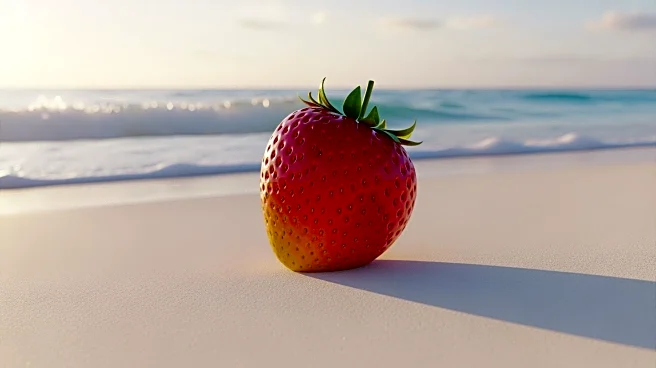
The TikTok series 'Fruit Love Island,' featuring anthropomorphic fruit characters in a reality show format, has gone viral, raising questions about AI ethics. Inspired by the show 'Love Island,' the series uses AI-generated content to create episodes
where fruit characters compete in challenges. The series has amassed millions of views, but its use of AI and potential intellectual property issues have sparked debate. Critics argue that the series represents a 'dumbing down' of media, while others enjoy its novelty and humor.
Why It's Important?
The popularity of 'Fruit Love Island' highlights the growing influence of AI in content creation and the ethical challenges it presents. The series raises concerns about intellectual property rights, consent, and the environmental impact of AI technologies. As AI-generated content becomes more prevalent, these issues will likely become more pressing, prompting discussions about regulation and ethical standards in digital media.
What's Next?
The future of 'Fruit Love Island' is uncertain, as the creator has expressed challenges in continuing the series due to technical difficulties and content removals. The ongoing debate around AI ethics may lead to increased scrutiny and potential regulatory actions. As AI continues to evolve, content creators and platforms will need to navigate these ethical considerations carefully.
Beyond the Headlines
The series serves as a case study in the broader conversation about AI's role in media and entertainment. It underscores the need for clear guidelines and ethical frameworks to address the challenges posed by AI-generated content. The discussion also touches on the cultural implications of AI in shaping media consumption and the potential for AI to redefine creative industries.