
What's Happening?
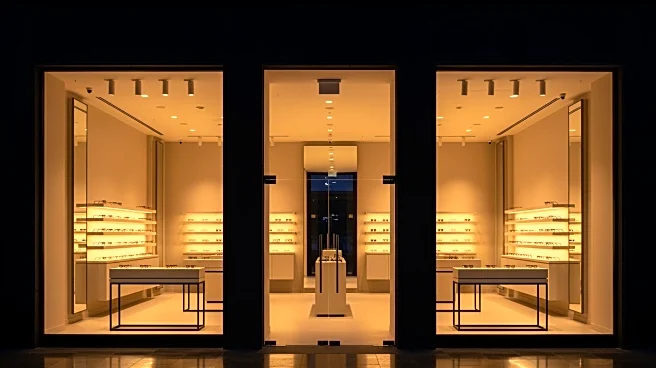
Jimmy Fairly, a sunglasses brand with over 160 stores worldwide, has opened its first U.S. location in New York's Nolita corridor. This expansion comes during a post-pandemic retail boom where brands like Zara, Uniqlo, and Coach have increased their physical presence in the U.S. Despite the growth, the retail landscape is showing signs of cooling, with a 2% increase in retail rents in 2025, the slowest in a decade. Many brands are reassessing their physical store strategies, with some closing more stores than they open. This trend is evident globally, with brands like H&M and Gucci closing stores in less profitable locations. Jimmy Fairly's cautious approach, waiting three years to ensure the right resources and location, highlights the challenges
and strategic considerations in expanding physical retail presence.
Why It's Important?
The expansion of physical retail stores in the U.S. reflects a broader trend of brands seeking to capitalize on resilient consumer spending post-pandemic. However, the cooling market and rising retail rents pose significant challenges. Brands must carefully select locations to avoid financial burdens associated with high rents and build-out costs. The trend of store closures exceeding openings indicates a shift in retail strategy, emphasizing the importance of location and consumer experience. This realignment could impact the retail industry's landscape, influencing how brands approach physical store expansions and manage their real estate portfolios.
What's Next?
As the retail market continues to evolve, brands like Jimmy Fairly may focus on strategic expansions in key U.S. cities such as Austin, Miami, Los Angeles, and Seattle. The competition for prime retail locations is expected to remain fierce, with brands needing to balance expansion with financial prudence. The industry may see a reinvention of vacant properties, transforming them into desirable retail destinations. This shift could create new opportunities for brands to establish a presence in high-demand areas, potentially reshaping the retail landscape and consumer shopping experiences.
Beyond the Headlines
The current retail trends highlight the importance of strategic planning and consumer engagement in physical retail. Brands must navigate the complexities of real estate markets, balancing the desire for growth with the risks of overexpansion. The focus on creating emotional connections through store design and experiences underscores the evolving role of physical stores in brand strategy. As the industry adapts to changing consumer behaviors and economic conditions, the ability to innovate and adapt will be crucial for long-term success.