





What's Happening?
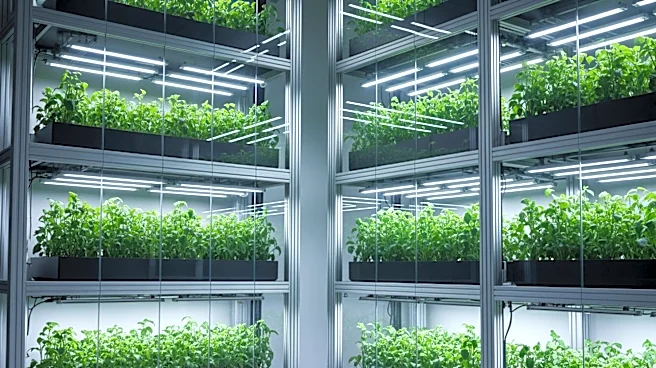
The global vertical farming market is anticipated to grow significantly, reaching $39.18 billion by 2033, according to a report by DataM Intelligence. This growth is driven by a compound annual growth rate (CAGR) of 19.4% from 2026 to 2033. Vertical farming involves
growing crops in vertically stacked layers within controlled indoor environments, utilizing technologies such as hydroponics, aeroponics, and artificial lighting. This method addresses urban food demand, climate change, and supply chain disruptions by enabling year-round production. Recent developments include a major investment collaboration in the U.S. focusing on AI-driven harvesting and precision growing systems, and regulatory flexibility under U.S. appropriations providing relief on food safety compliance for indoor farms.
Why It's Important?
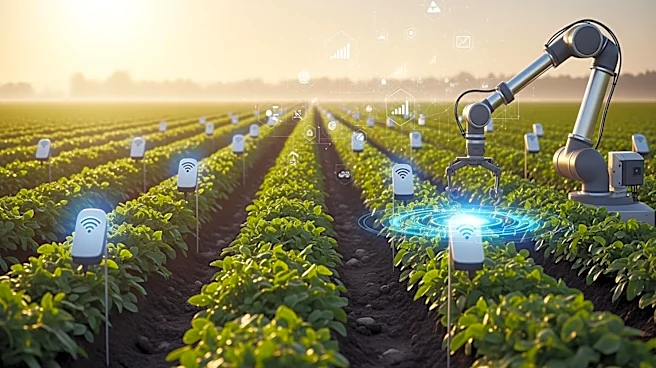
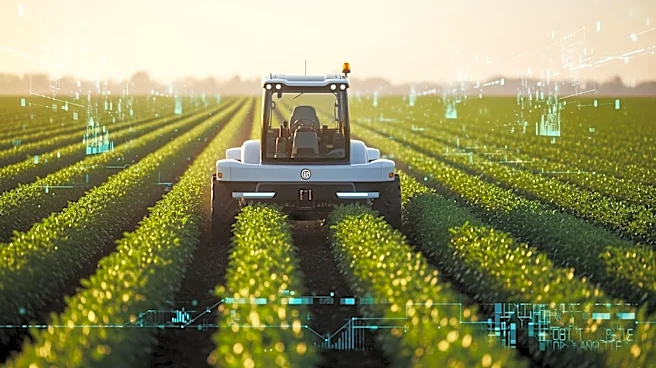
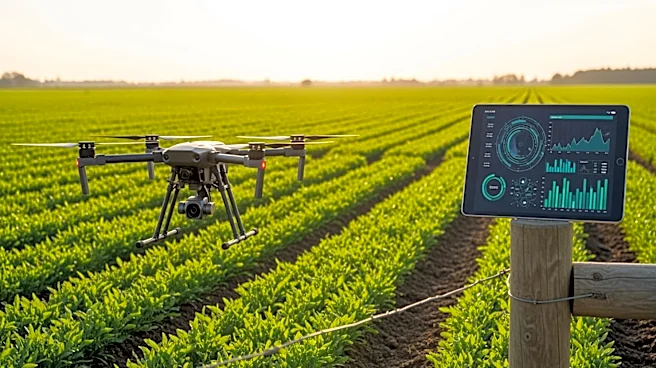
The expansion of the vertical farming market is significant for several reasons. It represents a shift towards sustainable agriculture, reducing the need for large land areas and water resources. This method can help meet the increasing food demand in urban areas while mitigating the impacts of climate change. The integration of AI and automation in vertical farming can enhance productivity and reduce labor dependency, potentially transforming the agricultural sector. The U.S. market is poised to lead due to its advanced infrastructure and early adoption of new technologies, which could set a precedent for global agricultural practices.
What's Next?
The vertical farming industry is expected to see continued investment and technological innovation. Key players are likely to engage in mergers and acquisitions to strengthen their capabilities in automation and AI-driven farming. The U.S. may continue to provide regulatory support to facilitate the growth of this sector. As the market expands, there could be increased collaboration between technology and agriculture companies to develop more efficient farming systems. The focus will likely remain on improving yield consistency and operational efficiency, which could lead to broader adoption of vertical farming practices globally.