


What's Happening?
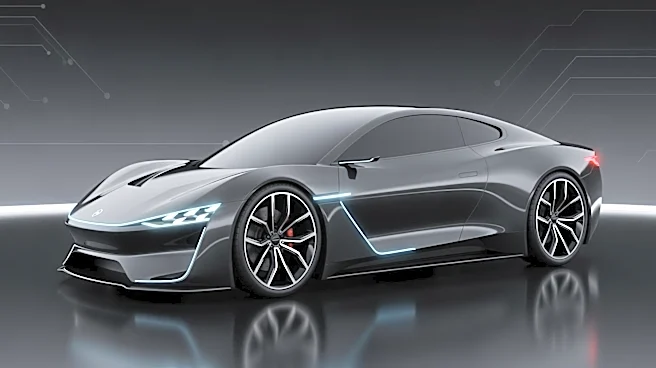
Mercedes has introduced the 2027 AMG GT 4-Door, a high-performance electric vehicle that promises practicality alongside power. The vehicle is equipped with three new axial flux electric motors, which are significantly smaller and lighter than previous
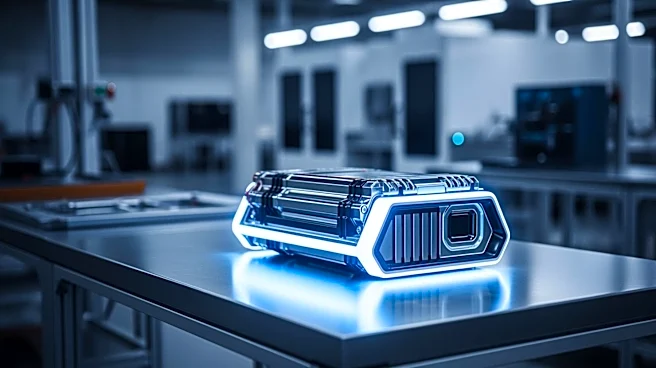
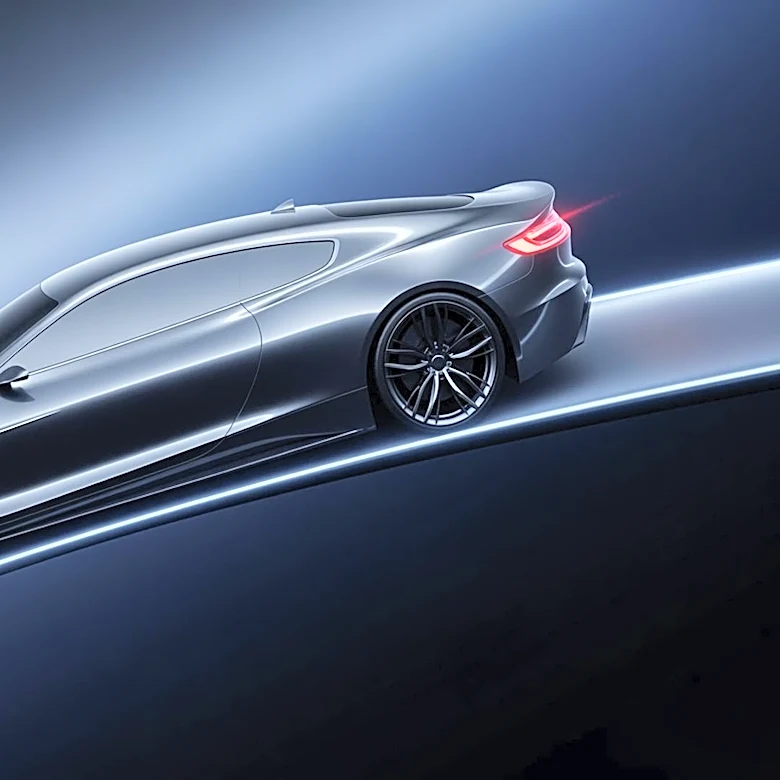
models, yet offer three times the power density and double the torque density. The AMG GT 4-Door is built on a new architecture capable of handling up to 1,300 horsepower, with the GT63 model reaching 1,153 horsepower. This model is set to hit showrooms by the end of the year, although pricing details have not been disclosed. The car features a 106-kWh battery developed in collaboration with YASA, offering a maximum range of 475 miles on the European WLTP scale. The vehicle's design includes active aero components for improved performance and a spacious interior, making it a practical choice for everyday use.
Why It's Important?
The introduction of the 2027 Mercedes-AMG GT 4-Door marks a significant advancement in the electric vehicle market, particularly in the high-performance segment. By combining practicality with high power output, Mercedes aims to appeal to a broader range of consumers who seek both performance and everyday usability in an electric vehicle. This move could potentially challenge competitors like the Tesla Model S Plaid and Porsche Taycan, which are also positioned in the high-performance electric vehicle market. The development of new electric motor technology and battery systems by Mercedes could set new standards for efficiency and performance in the industry, influencing future electric vehicle designs and consumer expectations.
What's Next?
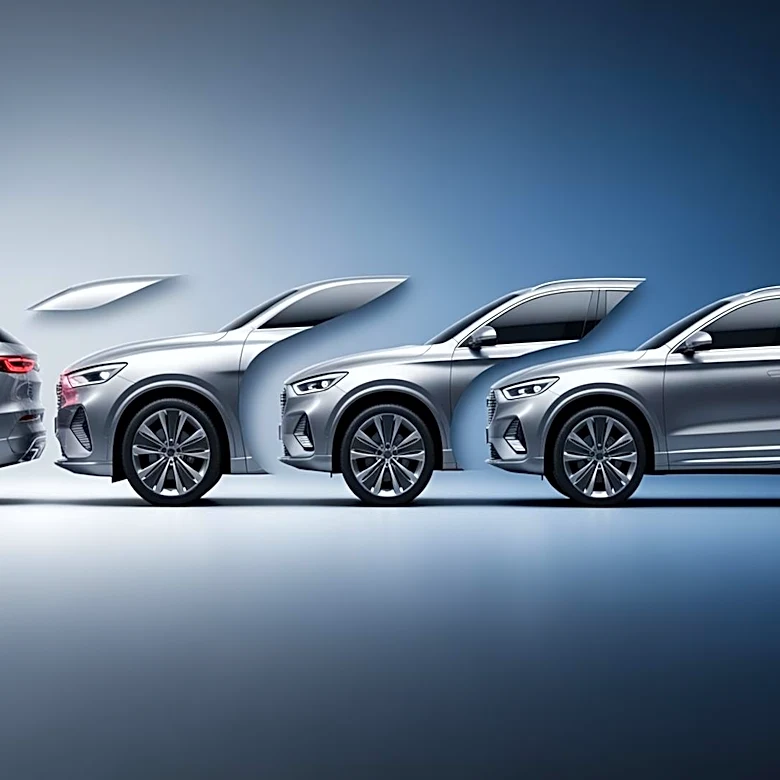
Mercedes plans to release the AMG GT 4-Door in the U.S. market by the end of the year for the GT55 model, with the GT63 following in early 2027. The company also intends to expand this new architecture to other models, including an SUV and a Sport Utility Coupe. As the electric vehicle market continues to evolve, Mercedes' advancements in motor and battery technology could lead to further innovations and potentially influence regulatory standards and consumer preferences. The success of this model could also impact Mercedes' strategy in the electric vehicle market, encouraging further investment in high-performance electric vehicles.