



What's Happening?
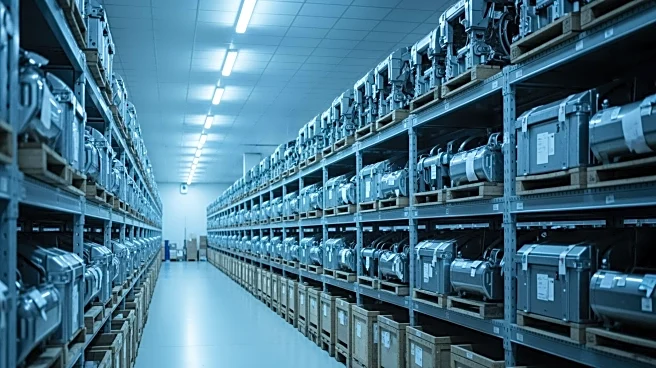
General Motors Co. is proactively preparing for an anticipated economic downturn by reducing dealer inventory and maintaining a robust cash reserve. Chief Financial Officer Paul Jacobson outlined the strategy during a panel discussion at the Chicago Federal Reserve Bank's Detroit branch. GM aims to minimize the impact of economic cycles by controlling the number of vehicles available at dealerships, thus avoiding the need for steep discounts during periods of low demand. The company has reduced its average dealer supply to 48 days and plans to maintain it between 50 to 60 days. Additionally, GM has increased its free cash flow to approximately $10 billion, providing a financial cushion to absorb short-term demand shocks.
Why It's Important?
GM's strategy is crucial
as it highlights the automotive industry's need to adapt to economic fluctuations. By managing inventory levels and maintaining a strong cash position, GM can better withstand economic downturns without resorting to drastic measures like significant price cuts or production halts. This approach not only stabilizes the company's financial health but also ensures continued investment in future innovations. The strategy reflects a broader industry trend towards more sustainable business practices, which could influence other automakers to adopt similar measures.
What's Next?
As GM continues to implement its strategy, the company will likely monitor economic indicators closely to adjust its plans as needed. The success of this approach could lead to further refinements in inventory management and financial planning. Other automakers may observe GM's actions and consider similar strategies to enhance their resilience against economic downturns. Additionally, GM's focus on maintaining a strong cash flow may enable the company to invest in new technologies and innovations, positioning it favorably for future growth.