

What's Happening?
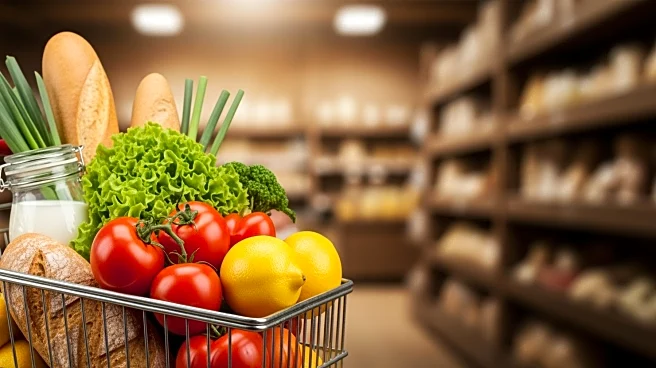
A comparison of grocery prices from the 1990 film 'Home Alone' to 2025 reveals a 167% increase in costs. Kevin McCallister's fictional grocery bill of $19.83 would now cost $53.95, highlighting the significant rise in food prices over 35 years. Key items such as milk, bread, and meat have seen substantial price hikes due to factors like supply chain disruptions, rising energy costs, and geopolitical tensions. The Consumer Price Index indicates a 27.5% increase in food prices at home from 2019 to 2024, with the sharpest rises occurring between 2021 and 2023.
Why It's Important?
The dramatic increase in grocery prices underscores the broader inflationary pressures affecting U.S. households. As essential goods become more expensive, consumers face increased financial
strain, particularly those with fixed or lower incomes. The persistent rise in food prices reflects ongoing challenges in global supply chains and market dynamics, impacting consumer spending and economic stability. Understanding these trends is crucial for policymakers and businesses as they navigate the complexities of inflation and its effects on the economy.
What's Next?
As inflationary pressures continue, consumers may need to adjust their spending habits and seek cost-saving measures. Policymakers might consider interventions to stabilize food prices and support affected households. The ongoing analysis of inflation trends will be vital for developing strategies to mitigate its impact on the economy. Businesses may also need to adapt to changing consumer behaviors and preferences as price sensitivity increases. The focus on inflation and its drivers will remain a key topic in economic discussions and policy development.