



What's Happening?
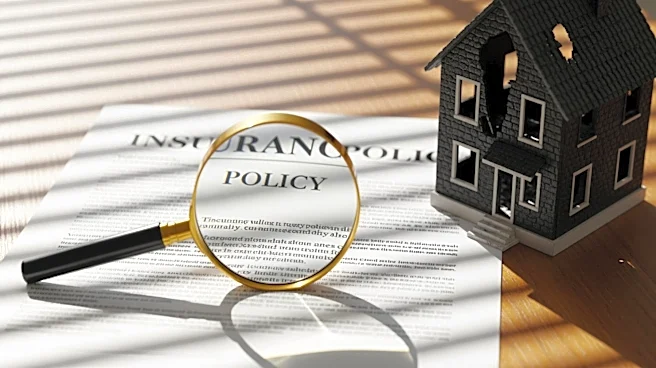
State Farm, California's largest home insurance company, is contesting findings from a state investigation that revealed 398 violations of state law in handling claims related to the 2025 wildfires. The investigation, which reviewed 220 sample claims,
found issues such as delayed investigations, low payouts, and frequent reassignment of adjusters, leading to confusion among policyholders. State Farm disputes these findings, arguing that the investigation's sample size is too small to justify the allegations and that the issues identified were mostly administrative rather than substantive failures to pay claims. The company has already paid over $5.7 billion in claims, with an additional $40,000 identified for further payments. California is seeking millions in penalties, potentially the largest ever pursued after a wildfire disaster.
Why It's Important?
The outcome of this dispute could significantly impact California's homeowners insurance market, which State Farm describes as the most dysfunctional in the country. If the state imposes heavy penalties or suspends State Farm's license, it could reduce the availability of insurance options for Californians, especially in wildfire-prone areas. This situation highlights the tension between regulatory oversight and the operational challenges faced by insurers in high-risk areas. The case also underscores the broader issue of how insurance companies manage claims in the wake of natural disasters, which is critical for consumer protection and market stability.
What's Next?
The state's legal filing against State Farm marks the beginning of a process that will lead to a public hearing before an administrative law judge. If the violations are confirmed, State Farm could face penalties of up to $5,000 per violation, or $10,000 if deemed willful. The insurance company plans to contest the findings through this process, arguing that the regulatory approach is politically motivated and could destabilize the market. The outcome of this case will be closely watched by other insurers and stakeholders in the insurance industry.