




What's Happening?
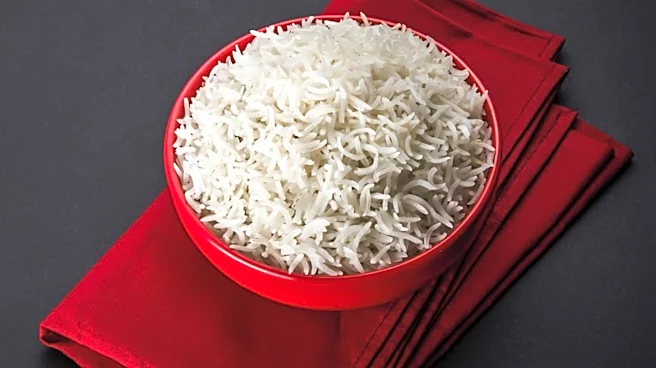
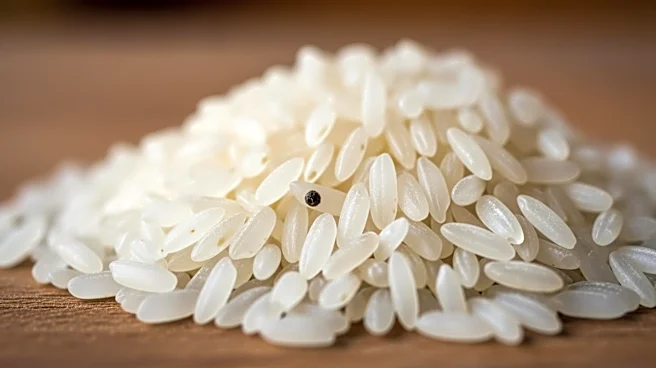
Food experts provide guidance on safely storing and creatively using leftover rice. Amy Poon from Poon's at Somerset House advises cooling rice quickly and storing it in airtight containers to prevent bacterial growth. Harold McGee notes that raw rice often
carries Bacillus cereus spores, which can survive cooking and produce toxins. Proper storage prevents these spores from developing. Ping Coombes highlights the nutritional benefits of chilled rice, which releases sugar slowly, promoting fullness. Experts suggest using leftover rice for dishes like fried rice, congee, and soupy rice, offering versatile meal options. Creative uses include arancini, rice frittatas, and rice cakes.
Why It's Important?
Understanding safe storage practices for leftover rice is crucial for preventing foodborne illnesses. Bacillus cereus can cause gastrointestinal issues if rice is improperly stored. By following expert advice, consumers can enjoy rice dishes safely while minimizing waste. The nutritional benefits of chilled rice, such as slower sugar release, can aid in managing blood sugar levels and promoting satiety. These practices encourage mindful consumption and resourcefulness in meal preparation, aligning with sustainable food practices. The versatility of rice as a staple ingredient offers diverse culinary possibilities, enhancing meal planning and reducing food waste.