







What's Happening?
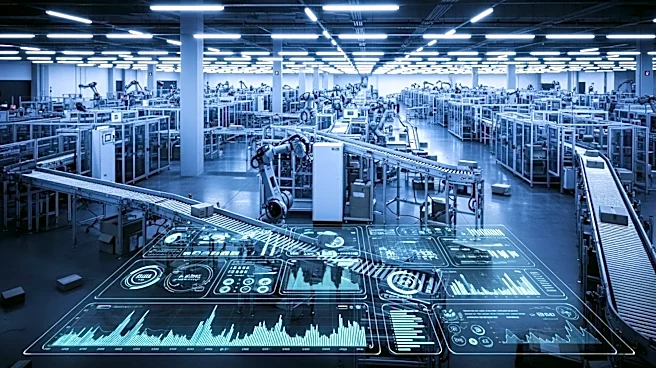
Supply chain organizations have heavily invested in digital capabilities over the past decade, including control towers, advanced planning systems, artificial intelligence, and automation. Despite these investments, many organizations are finding it challenging
to convert increased visibility into tangible operational outcomes. Nick Banich, chief revenue officer at Miebach Consulting, highlighted that the issue is not the lack of tools or data but the difficulty in translating these inputs into decisions that lead to real performance improvements. This gap between insight and execution is becoming a significant challenge in the transformation of supply chains.
Why It's Important?
The struggle to achieve measurable results from digital investments in supply chains has significant implications for the industry. Companies that fail to leverage their technological investments effectively may face operational inefficiencies, impacting their competitiveness and profitability. This situation underscores the need for better integration of digital tools into decision-making processes to enhance performance. As supply chains are critical to the economy, inefficiencies can lead to higher costs and delays, affecting businesses and consumers alike. The ability to harness technology effectively could be a differentiator in a competitive market.